Differences Between 3D Printers
Discover the main differences between FDM and resin 3D printers, and how to choose the best option for your printing needs.
People without a printer assume it's just for toys. In practice, the most common use is a lot more useful (and sometimes profitable) than that.

People who don't have a printer yet usually assume it's just for printing little figurines. In practice, the most common use is a lot more useful (and sometimes profitable) than that.
This is the use case that saves the most money long-term: a discontinued appliance part, a cabinet latch, a broken bracket — a lot of these already have a free 3D file available, or you can measure and model them from scratch.
Once you get the hang of it, you can sell custom parts (keychains, cake toppers, stands) on local marketplaces. Just make sure to price it properly — power, machine wear and your time all count. Our FDM cost calculator does that math for you.
Not sure where to find ready-made models? Check our guide to free STL libraries.
No printer yet? Start with our recommendation quiz or browse the full printer database.
Far more than toys: home organizers, replacement parts, phone stands, hobby miniatures, personalized gifts, and even extra income selling custom parts.
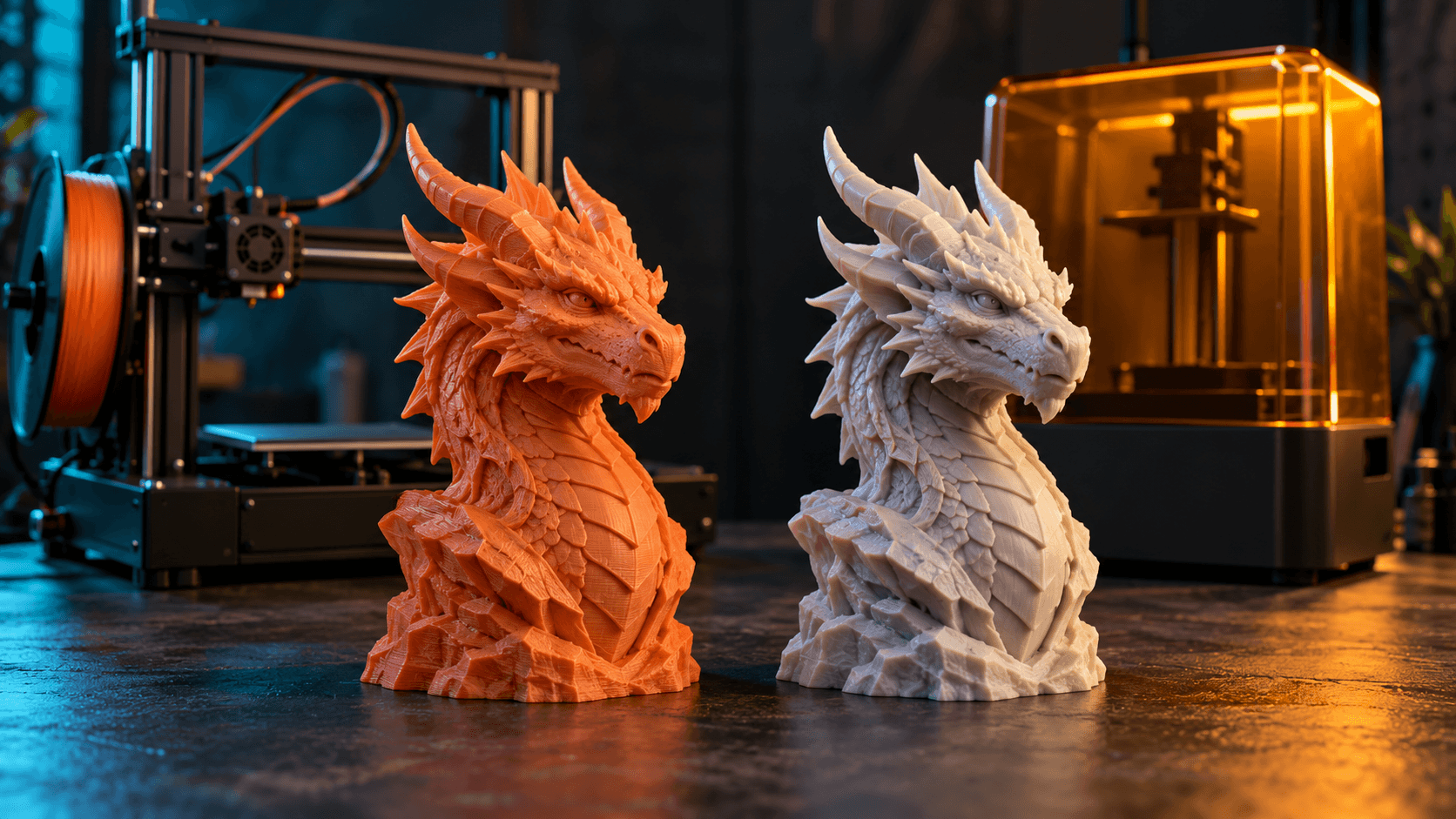
Discover the main differences between FDM and resin 3D printers, and how to choose the best option for your printing needs.
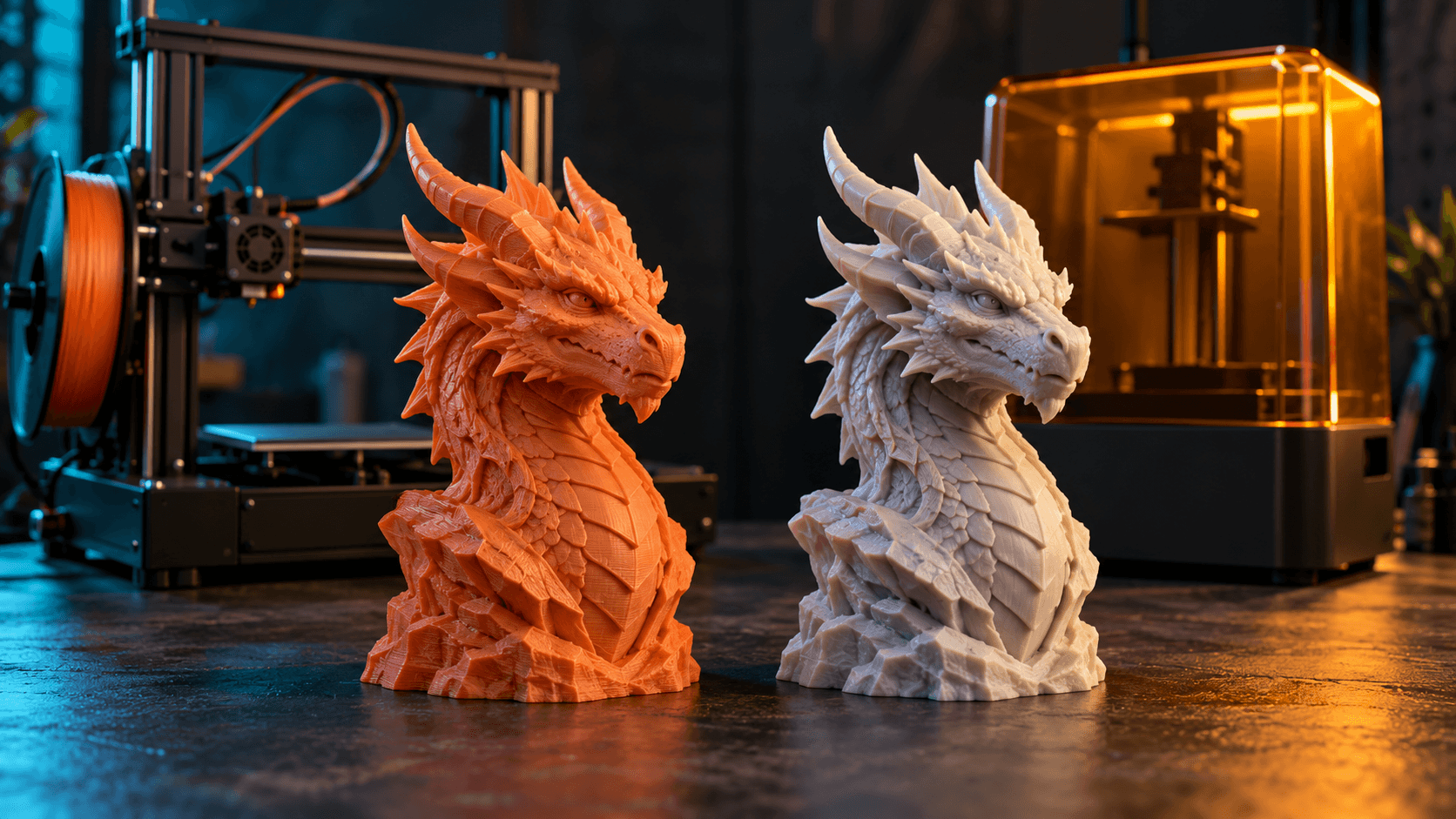
Discover the differences between FDM and resin 3D printers to decide which is the best option for your specific projects and needs.
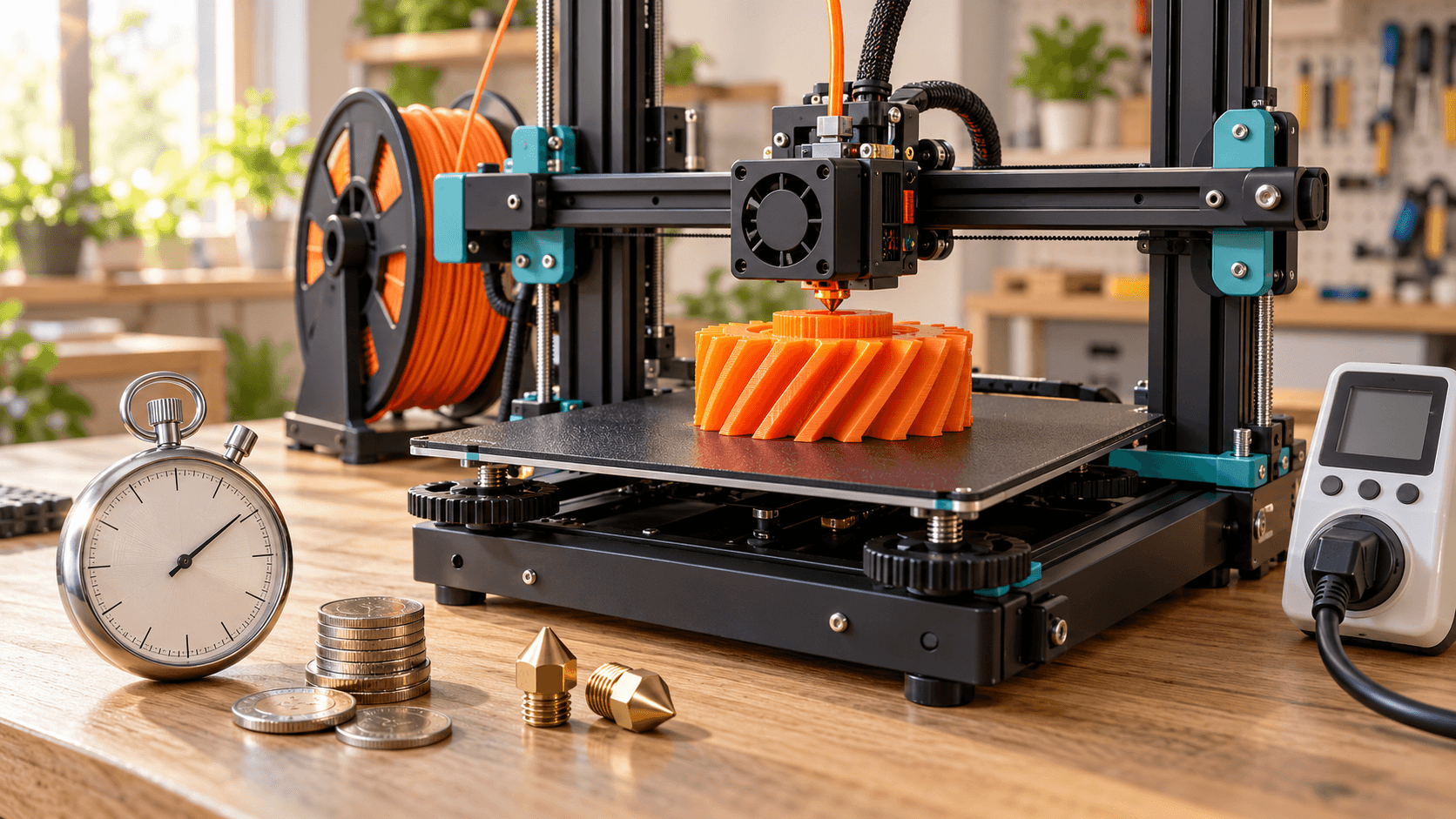
An hour on an FDM printer costs $0.12: depreciation, electricity and a failure reserve. The full calculation, and why hourly billing backfires.