3D Printing Cost Per Hour: the Real Math
An hour on an FDM printer costs $0.12: depreciation, electricity and a failure reserve. The full calculation, and why hourly billing backfires.
Discover the differences between FDM and resin 3D printers to decide which is the best option for your specific projects and needs.
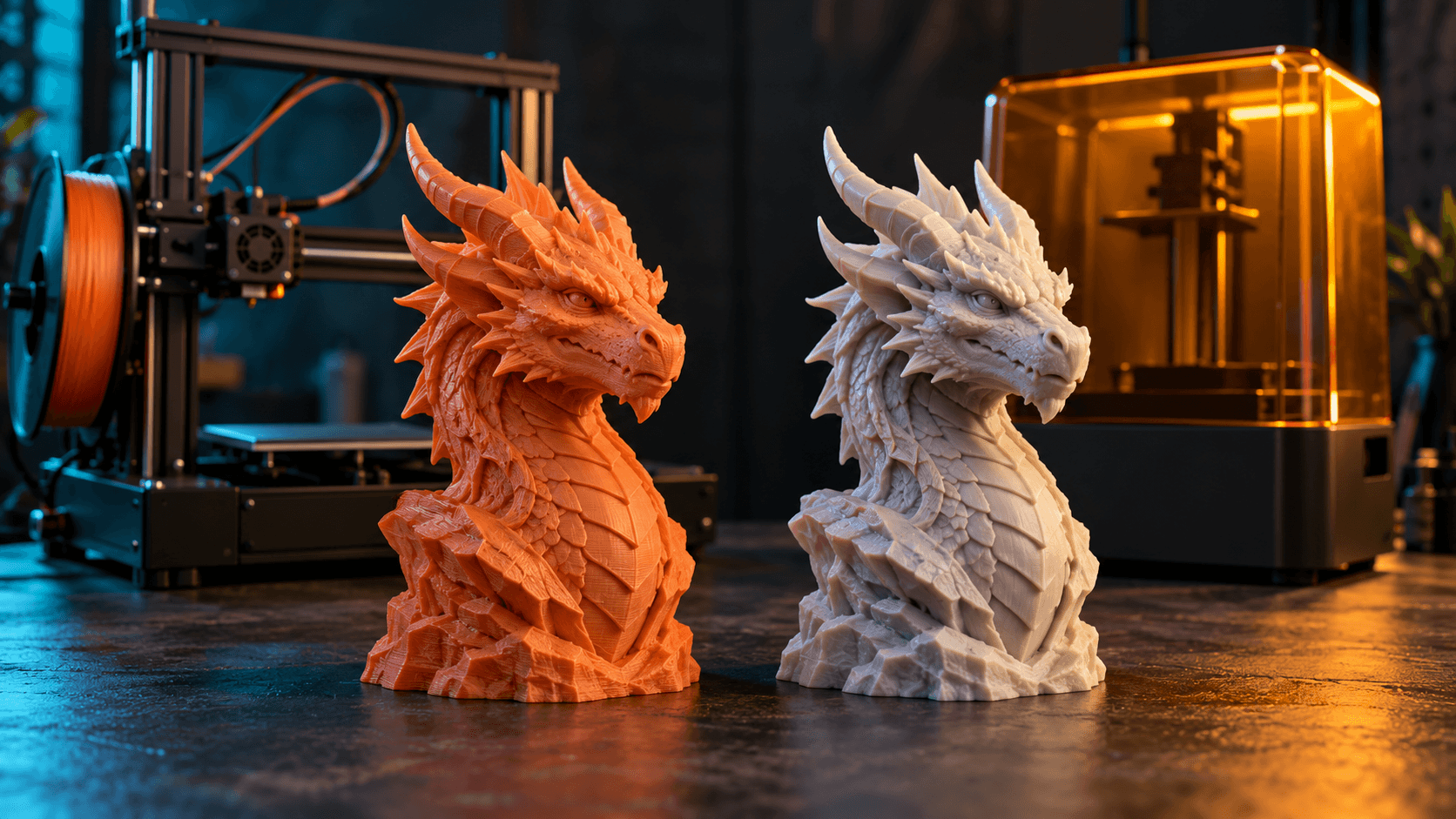
Choosing between an FDM 3D printer or a resin printer depends on your specific needs. FDM printers are ideal for functional prototypes and larger parts, while resin printers offer high precision and fine details, perfect for miniatures and complex models.
FDM printers (Fused Deposition Modeling) are an excellent choice for those seeking versatility and cost-effectiveness in 3D printing. They work by depositing layers of melted material, usually plastic, to create an object. This technology is ideal for creating functional parts, prototypes, and larger objects, with a build area that can vary significantly depending on the printer model. A practical example is creating custom tool holders or replacement parts for household appliances, where mechanical strength is essential.
One of the major attractions of FDM printers is the variety of materials available, such as ELEGOO PLA+ filament, which is more accessible and easy to store. PLA is a biodegradable and user-friendly material, perfect for beginners. However, when opting for materials like ABS or PETG, it’s important to consider the need for a printer with a heated bed to avoid adhesion issues and warping.
A common mistake when using FDM printers is poor calibration of the print bed, which can result in failures in the first layers, compromising the entire project. A simple trick is to use a sheet of paper to adjust the distance between the nozzle and the bed, ensuring proper initial adhesion.
When it comes to costs, FDM printers generally offer an attractive cost-benefit ratio. The cost per hour of printing, or "3d druck kosten pro stunde", can be calculated by considering energy consumption, machine wear, and filament cost. Using a "3d printing cost calculator" can help provide an accurate estimate of how much it costs to print a specific project. In terms of "3d printer material cost", PLA is one of the most economical materials, making it a popular choice for those looking to keep costs low without sacrificing print quality.
Also read
Material Cost: FDM printers use filaments like PLA and PETG, which are widely available and economical. The material cost for FDM printers is generally lower compared to resin printers, making them an attractive choice for beginners and large-scale projects. A 1 kg roll of PLA can cost around 20 to 30 dollars, while resin can be significantly more expensive per liter. To calculate the total cost of a project, a "3d printing cost calculator" can be helpful, as it considers material and energy consumption.
Ease of Use: Models like the Bambu Lab A1 Mini are designed to be intuitive, with user-friendly interfaces and automatic settings that reduce the learning curve. This is ideal for beginners, as the initial setup and bed leveling are simplified processes. A common mistake is not correctly adjusting the printing temperature, which can result in first layer adhesion failures. A good rule of thumb is to always double-check the "3d printer specifications" before starting a new material.
Print Size: FDM printers generally offer a larger build area, allowing for the printing of bigger parts in a single step. This is particularly advantageous for prototypes or functional parts that cannot be divided into smaller sections. For example, printing a large structural part, such as a drone casing, is more feasible on an FDM printer due to its build volume. However, it’s important to remember that printing on a large scale can increase the "3d druck kosten pro stunde", so plan your projects according to your printer's capacity and material budget.
Choosing a resin printer may be the ideal choice when print quality is the top priority. Resin printers, such as the Elegoo Mars 5 Ultra 9K, are known for their ability to produce incredibly fine details and extremely smooth surfaces, essential characteristics in fields like art, jewelry, dentistry, and creating detailed miniatures.
These printers use a technology called SLA (stereolithography) or DLP (digital light processing), which cures layers of liquid resin with ultraviolet light. This allows for much higher resolution compared to FDM printers, which extrude melted plastic. For example, while an FDM printer might have a layer resolution of 100 microns, a resin printer can easily achieve 25 microns or less, resulting in a surface quality that doesn’t require extensive post-processing.
A concrete example is the production of parts for jewelry prototypes. A resin printer can capture intricate details like textures and reliefs that would be impossible to achieve with an FDM printer. However, it’s important to be aware that handling resin can be tricky and requires special precautions, such as wearing gloves and masks to avoid direct skin contact and inhalation of vapors.
A common mistake when using resin printers is underestimating the curing time needed after printing. Without adequate curing time, parts may not reach the desired hardness or may deform over time. The rule of thumb is to cure the piece under UV light for at least double the printing time.
Additionally, it’s crucial to consider the cost of materials. While resin printers may be more expensive initially, the "3d printer material cost" can be competitive, depending on the type of resin used. To calculate the total printing cost, tools like a "3d printing cost calculator" can be useful to determine the "3d print cost" per piece, taking into account both the resin cost and the printing and curing time. This helps avoid budget surprises and plan the use of the resin printer more effectively.
Resin printers, also known as SLA (StereoLithography Apparatus) printers, offer significant advantages for those seeking precision and exceptional detail in their creations. They are especially suited for producing small and detailed parts, such as miniatures, jewelry, or complex prototypes. This is due to their ability to work with extremely thin layers, typically around 25 to 100 microns, allowing for superior resolution compared to FDM printers.
One of the main advantages is the finish. Resin prints have much smoother surfaces, without the visible layer lines that are common in FDM printers. This eliminates the need for time-consuming post-production processes like sanding or polishing to achieve a perfect finish. Additionally, the variety of resins available on the market, such as ELEGOO Resin 2.0, allows you to choose materials with specific properties, such as heat resistance, flexibility, or transparency, broadening application possibilities.
A real-world application example is the use of resin printers in dentistry, where precision is crucial. Dental models and surgical guides are printed with minute details that would be difficult to achieve with other technologies. However, a common mistake is not considering that resins can be more expensive and require a well-ventilated environment due to the fumes emitted during printing and curing. Moreover, unused resins must be handled carefully and stored properly to avoid waste.
A rule of thumb when choosing between FDM and resin is to consider the level of detail required. If precision is the priority, a resin printer is the right choice. However, it’s important to remember that the cost of resins and curing time can affect the "3d printing cost". Using a "3d printing cost calculator" can help estimate operational and material costs, ensuring that the investment is worthwhile for your specific project.
When considering the cost of an FDM 3D printer versus a resin printer, it’s important to evaluate not just the initial price of the equipment but also the ongoing operational costs. Resin printers, for example, typically require special resins that can be significantly more expensive than the filaments used in FDM printers. Additionally, the post-processing process for resin parts, which includes washing and curing, requires additional equipment like the ELEGOO Mercury XS. This equipment is not optional if you want to achieve a high-quality and durable finish on your resin-printed parts.
A common mistake among beginners is underestimating the total operating cost of a resin printer. While many focus solely on the printer's price, they forget to account for the price of resins, which can vary depending on quality and desired properties, such as heat resistance or flexibility. Furthermore, the extra time needed for post-processing can be a hidden cost factor, especially if you’re considering the "3d druck kosten pro stunde" or "3d drucker kosten pro stunde" in a production environment.
On the other hand, FDM printers tend to have more predictable operating costs. Filaments are cheaper, and there’s no need for complex post-processing, which can be a decisive factor for many users. A rule of thumb is to consider that the material cost for FDM printers can be 5 to 10 times lower than that of resin printers, depending on the application and specific material used.
If you’re trying to decide between an FDM or resin printer, it’s helpful to create a personalized "3d printing cost calculator" for your specific needs. This can help calculate the "3d print cost" in different scenarios and avoid financial surprises. For those seeking the "migliore stampante 3d", considering these hidden costs is essential for making an informed decision.
FDM printers are known for their relatively simple maintenance. Most maintenance tasks involve cleaning nozzles, changing filaments, and occasionally replacing a belt or adjusting axes. A practical example is the need to unclog the nozzle, which can be done by heating it and using a fine needle to remove filament residue. This maintenance can be done at home without the need for specialized tools, which reduces overall operating costs, positively reflecting on the "3d printing cost calculator".
On the other hand, resin printers require a more meticulous approach. Frequent replacement of the PFA/FEP Film is a common task, as it tends to wear out quickly due to constant contact with liquid resin and UV light. Additionally, cleaning the resin tank and calibrating the print platform are tasks that cannot be neglected. A common mistake is leaving hardened resin in the tank, which can damage the film and increase the "3d print cost" due to the need for frequent replacement.
A critical point when considering the "migliore stampante 3d" is understanding that the durability of resin printers can be compromised if not maintained properly. One user reported that their resin printer needed an LCD screen replacement after just six months of use due to excessive exposure to UV light, an unexpected cost that impacted the total "3d printing cost".
A rule of thumb for those considering which technology to choose would be: if you plan to print frequently and seek equipment that requires less daily maintenance, the FDM printer may be the best choice. However, if precision and detail are priorities, be prepared for a more rigorous maintenance regime with the resin printer. Keeping track of maintenance tasks and scheduling regular checks can help extend the lifespan of any printer, keeping the "3d druck kosten pro stunde" within a reasonable budget.
When it comes to choosing between FDM and resin 3D printers, the space and environment in which you plan to use them are crucial factors to consider. FDM printers are generally more suitable for home environments due to their cleaner operation and less demanding ventilation requirements. They emit fewer odors and do not require the same level of environmental control as resin printers, which use photosensitive materials that can release potentially harmful vapors.
A practical example illustrating the differences is the case of a hobbyist who decided to set up a small 3D printing studio at home. He opted for an FDM printer because the available space was limited and there was no adequate ventilation system to handle resin vapors. Additionally, FDM printers are generally quieter, which is an advantage in shared environments.
A common mistake that many beginners make is underestimating the importance of ventilation when using resin printers. Without an adequate exhaust system, vapors can accumulate, making the environment uncomfortable and potentially dangerous. A good rule of thumb is to always ensure that the space where the resin printer will be used has at least one window or a fan for air circulation.
Moreover, when considering the necessary space, it’s important to check the "3d printer specifications" to understand the printer's size and the additional space needed for post-processing, especially in the case of resin printers that require cleaning and curing of printed parts.
For those concerned about the "3d printing cost", it’s also essential to consider the "3d printer material cost". FDM printing material, like PLA, is generally cheaper and easier to store compared to resins, which can be more expensive and require specific storage conditions to maintain their effectiveness.
Printing time is a crucial factor when choosing between an FDM printer and a resin printer, especially if you’re considering efficiency relative to cost and project complexity. FDM printers, which work by depositing material layer by layer, are generally faster for large and less detailed parts. This is because the layer thickness can be adjusted to be thicker, speeding up the process. For example, a 20 cm tall part may take about 10 hours to print on an FDM with 0.3 mm layers, while the same part on a resin printer may take up to 15 hours due to the need for thin layers to maintain quality.
On the other hand, resin printers, which use photopolymerization to cure liquid resin in thin layers, are ideal for smaller parts with many details. They can print layers as thin as 0.01 mm, allowing for a smoother and more detailed finish. A practical example is printing a 5 cm miniature with complex details, which can be completed in about 4 hours on a resin printer, while the same task on an FDM could take up to 6 hours with inferior quality.
A common mistake is underestimating the post-processing time. Resin printers require additional cleaning and curing, which can add hours to the total time. Therefore, when calculating printing time, always add the post-processing time, especially for resin.
A rule of thumb to note: for large and simple parts, use FDM; for small and detailed parts, choose resin. For a specific project, consult a "3d printing cost calculator" to understand how printing time will impact the final cost, also considering the "3d printer material cost". This helps avoid budget surprises and choose the "migliore stampante 3d" for your needs.
Choosing between an FDM 3D printer and a resin printer is a decision that should be made based on technical and practical criteria. FDM printers, like the Creality K1C, are ideal for projects that require strength and durability. They work by depositing layers of melted filament, which is great for functional prototypes and mechanical parts. A common mistake is underestimating the importance of bed calibration, which can lead to printing failures. A rule of thumb is to check the calibration every 10 hours of printing or whenever changing the filament.
On the other hand, resin printers, like the Anycubic Photon Mono M7 Pro 14K, offer incredibly precise details, ideal for miniatures and complex models. However, handling resin requires additional care due to its toxicity and post-print curing needs. An extreme case to avoid is not using appropriate protective equipment, such as gloves and a mask, when handling resin.
When it comes to cost, FDM printers generally have a lower cost per hour of printing due to the lower price of filament compared to resin. Using a "3d printing cost calculator" can help predict the most accurate "3d print cost", taking into account factors like energy consumption, printing time, and "3d printer material cost".
For those seeking the "migliore stampante 3d", it’s essential to also consider the available space, as resin printers generally take up less space but require a dedicated area for curing parts. In summary, for projects prioritizing fine details, resin is superior, while for durability and lower "3d druck kosten pro stunde", FDM is the more economical choice. Always remember to consult a "3d printer comparison chart" to visualize the "3d printer specifications" and make an informed decision.
It depends on your needs. FDM is better for large, functional prototypes, while resin is ideal for fine details and smooth surfaces.
FDM uses melted plastic filaments to create layers, while resin uses photopolymerization to create parts with finer details.
Resin printers generally have better resolution and are ideal for detailed parts like miniatures and complex models.
FDM printers are generally cheaper in terms of material and maintenance costs, but the initial price can vary between models.
FDM printers can be faster for large volumes, while resin may be more efficient for small, detailed parts.
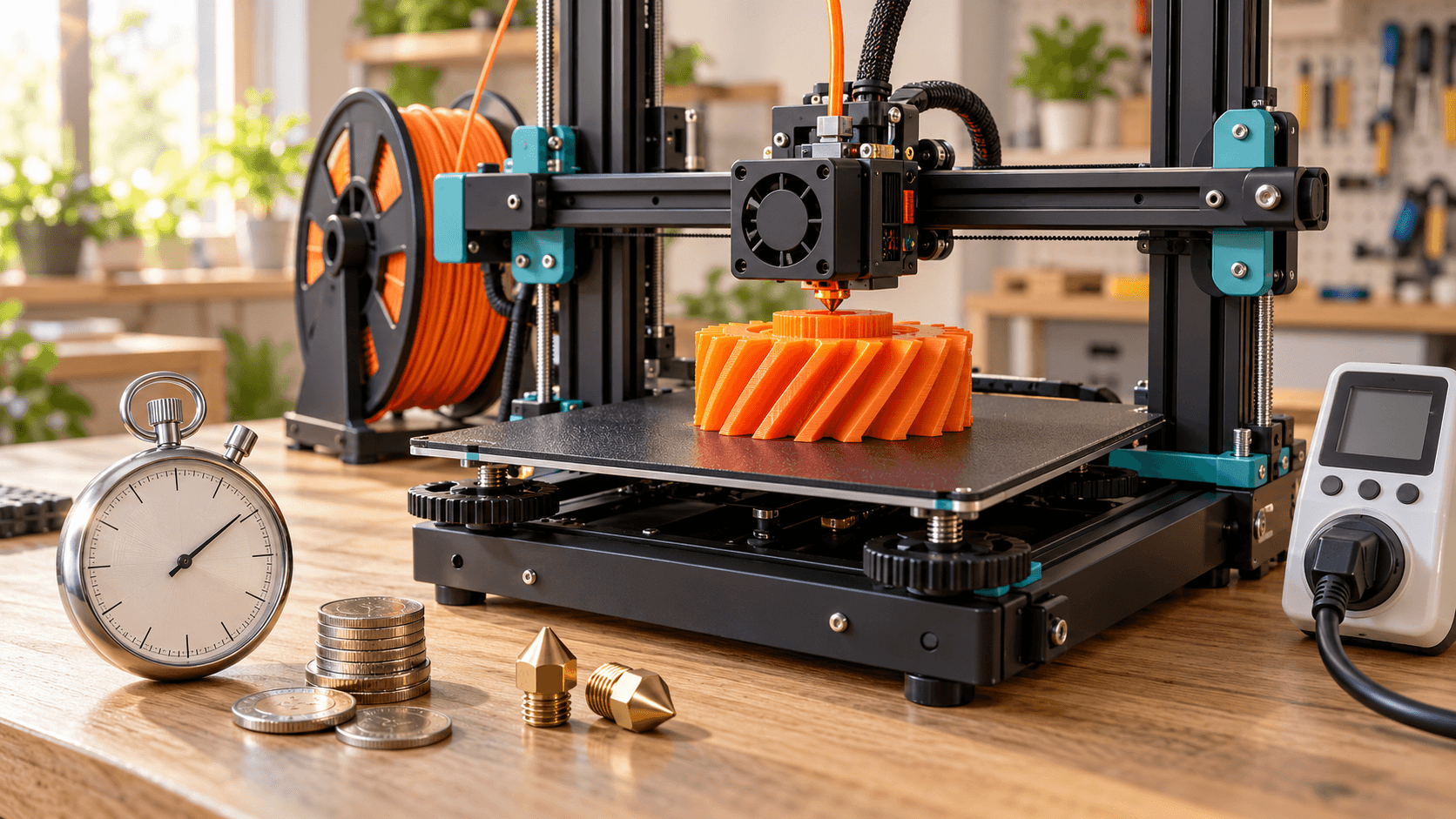
An hour on an FDM printer costs $0.12: depreciation, electricity and a failure reserve. The full calculation, and why hourly billing backfires.
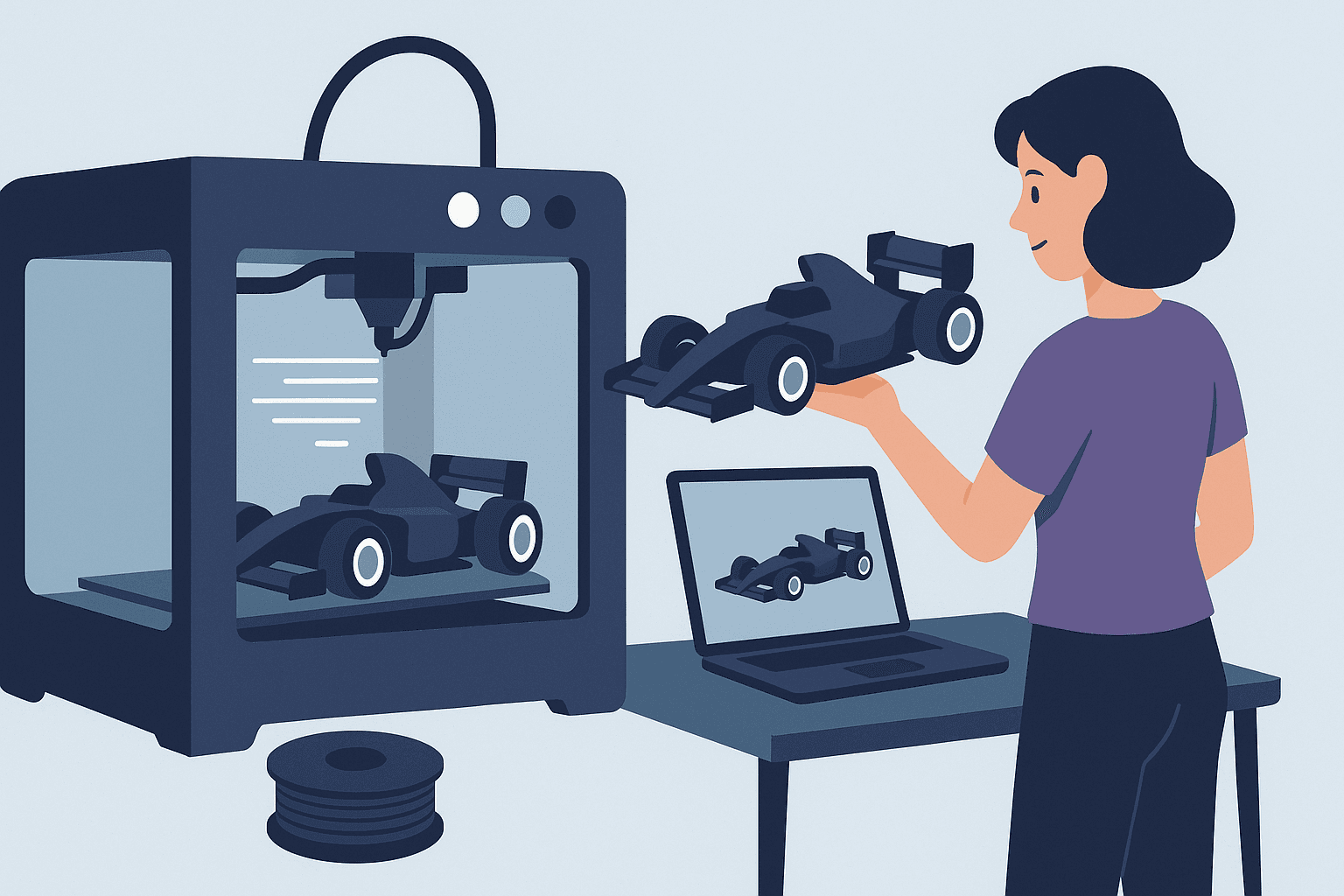
Discover how 3D printing is revolutionizing Formula 1 by enhancing design, reducing costs, and increasing team efficiency.
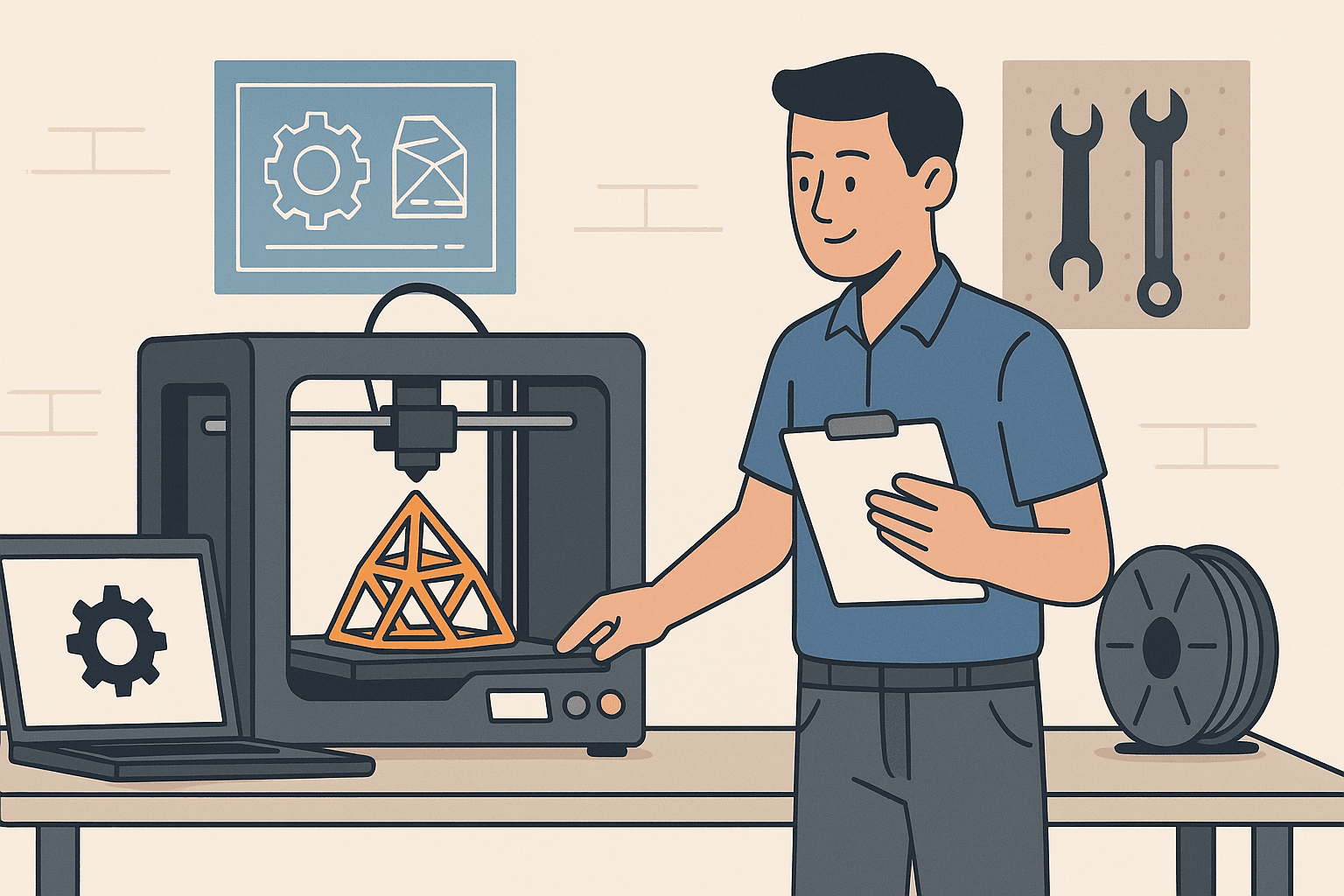
Discover how engineering and 3D printing are transforming design and production, offering innovative and customized solutions across various sectors.