Applications of 3D Printing in Formula 1
Discover how 3D printing is revolutionizing Formula 1 by enhancing design, reducing costs, and increasing team efficiency.
Explore the differences between 3D resin printers, their advantages and disadvantages, and discover how to choose the best one for your needs.
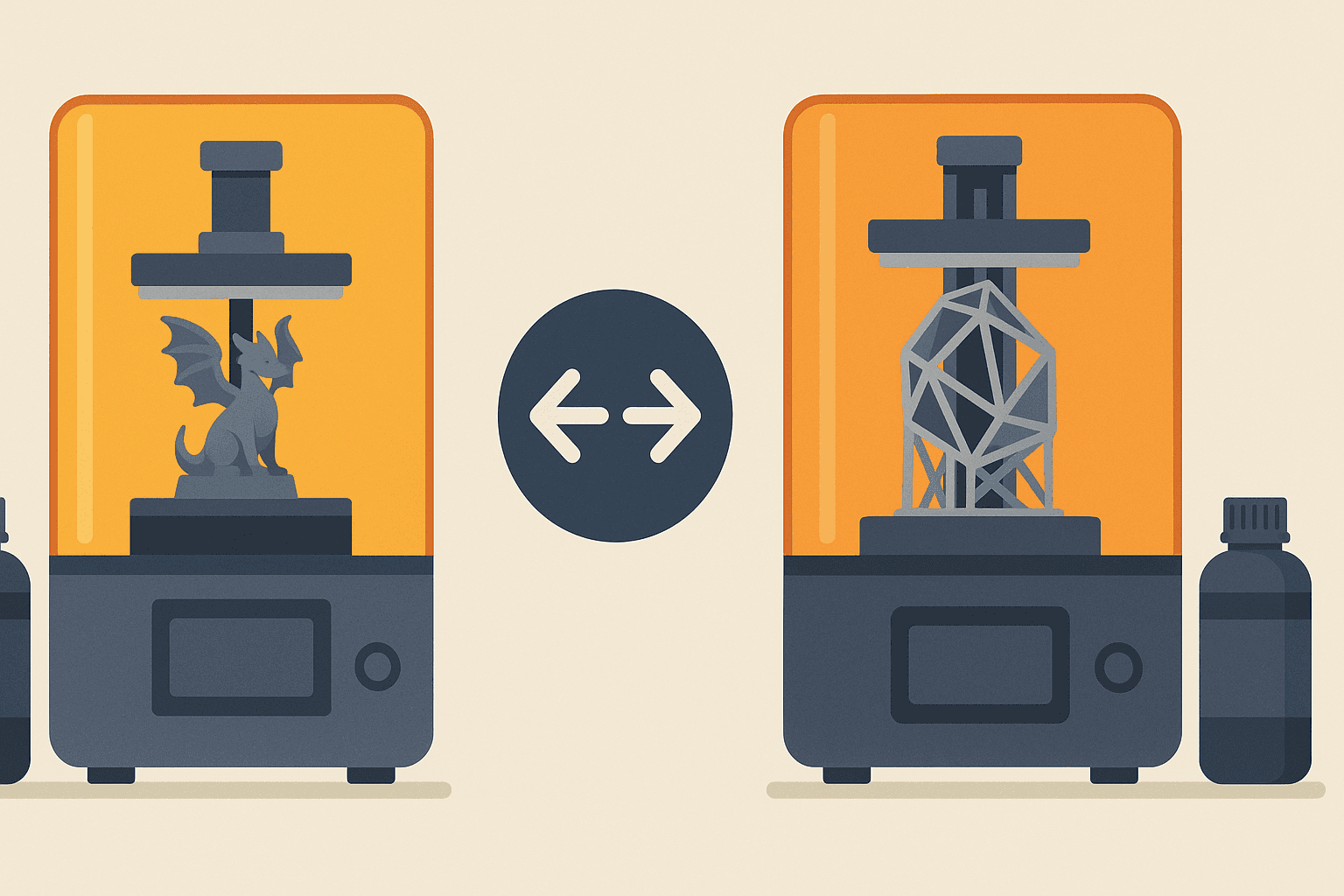
Resin printers are revolutionary devices in the world of digital fabrication, especially valued for their ability to produce parts with extremely fine details and smooth finishes, which are essential characteristics for sectors like jewelry, dentistry, and miniature prototyping. These printers utilize advanced technologies such as SLA (Stereolithography) and DLP (Digital Light Processing). Both technologies work with photosensitive liquid resin, which is solidified layer by layer through exposure to ultraviolet light.
In SLA technology, a UV laser is directed onto the surface of the resin, tracing the outline of each layer of the object. In contrast, DLP technology uses a digital projector to solidify an entire layer at once, which can result in faster printing times. A practical application of these technologies is in the printing of dental models, where precision and detail are crucial for creating prosthetics and aligners.
A common mistake when using resin printers is improper adjustment of the build platform. If the platform is not perfectly leveled, it can result in failed prints or inadequate adhesion of the piece to the base. Additionally, it is essential to ensure that the resin used is compatible with the type of printer, as unsuitable resins can compromise print quality or even damage the equipment. Finally, post-processing, which includes cleaning and additional curing of the pieces, is a crucial step that should not be overlooked to ensure the durability and aesthetic quality of the final prints.
One of the main advantages of resin printers is the high resolution they offer, making them ideal for projects that require precision and intricate details. For example, in jewelry making, where every detail counts, resin printers can create pieces with a richness of detail that would be impossible to achieve with other 3D printing technologies, such as FDM printers. This is due to the photopolymerization process, where the liquid resin is solidified layer by layer using UV light, allowing for the creation of extremely smooth and detailed surfaces.
In addition to jewelry, resin printers are widely used in medical applications, such as producing precise anatomical models. These models are essential for surgical planning and medical training, where precision can make a significant difference. The ability to reproduce complex anatomical textures and details is one of the reasons why resin printers are preferred in this field.
However, it is important to be aware of some common pitfalls when using resin printers. A frequent mistake is underestimating the curing time required after printing. If the pieces are not properly cured, they may not achieve the expected mechanical strength and may even deform over time. Furthermore, improper handling of liquid resin can pose health and environmental risks, so it is essential to follow safety guidelines and use protective equipment when handling resin.
With proper preparation and attention to detail, resin printers can be a powerful tool for any creator seeking excellence and precision in their projects.
While resin printers offer high precision and fine details, they also come with some disadvantages that users should consider. One of the main challenges lies in the post-curing process. After printing, the pieces need to be exposed to a UV light source to complete the curing of the resin. This step is crucial to ensure that the piece reaches its full strength and durability. Without proper post-curing, the pieces may remain sticky and structurally weak, compromising their use in practical applications.
Additionally, handling liquid resin requires special attention due to its toxicity. It is essential to wear gloves and, preferably, a mask during handling to avoid direct contact with the skin and inhalation of vapors. A common mistake is not mixing the resin well before use, which can result in inconsistent prints. Resins can settle over time, and a lack of homogeneity can cause layer failures or even breakage of the piece during removal from the print platform.
Another point to consider is the complexity of the cleaning process. After printing, the pieces need to be washed in isopropyl alcohol to remove excess resin. This step can be time-consuming and requires an appropriate space to avoid contaminating other work areas. A common edge case that users often face is cross-contamination of resins, which occurs when different types of resin are used without properly cleaning the printer tank. This can lead to failed prints and damage to the printer in the long run. Therefore, regular maintenance and meticulous care are essential for successfully operating a resin printer.
Models like the Elegoo Mars 5 Ultra 9K and the Anycubic Photon Mono M7 Pro 14K are popular options in the market, each with distinct features that cater to different needs of 3D printing enthusiasts. The Mars 5 Ultra is known for its impressive printing resolution, offering fine and precise details, making it ideal for creating detailed miniatures or complex engineering parts. With its 9K monochrome LCD screen, users achieve superior accuracy, ensuring that even the smallest details are captured clearly. However, a common pitfall is not properly calibrating the build platform, which can result in printing failures, especially in models that require high precision.
On the other hand, the Anycubic Photon Mono M7 Pro 14K stands out for its printing speed, thanks to its 14K screen that allows for thinner layers and faster curing times. This is especially advantageous for those needing to produce large volumes of parts in a short time, such as in production environments or rapid prototyping. A practical example would be creating functional prototypes for fit and assembly testing in a product development environment. However, it is important to ensure adequate cooling during operation, as high speeds can generate excessive heat, affecting print quality and the longevity of the machine.
Both models offer advanced features, but it is crucial to understand their specificities to avoid common mistakes, such as choosing the wrong resin for the type of project or improperly adjusting printing parameters. The choice between the Elegoo Mars 5 Ultra 9K and the Anycubic Photon Mono M7 Pro 14K should be guided by the specific needs of the project and the level of detail or speed required.
When selecting a resin printer, it is essential to evaluate some technical aspects that directly impact the quality and efficiency of your work. Resolution is one of the most critical factors, as it determines the level of detail your printer can achieve. Printers with a resolution of 20 to 50 micrometers are ideal for projects requiring high precision, such as jewelry or engineering parts. However, keep in mind that a higher resolution usually means longer printing times.
Print volume is another aspect to consider. If you plan to print larger objects or multiple pieces at once, a printer with a larger print volume will be necessary. Models like the Anycubic Photon Mono X offer a good balance between size and cost, allowing you to print objects up to 192 x 120 x 245 mm.
The printing speed is also crucial, especially in a production environment where time is a limiting factor. Faster printers may seem appealing, but ensure that speed does not compromise quality. A common mistake is prioritizing speed and ending up with visible layers and poor finishes.
Additionally, the cost and availability of compatible resins should not be underestimated. Ensure that the chosen printer supports a variety of resins, as this can affect both the quality of the final product and the long-term budget. A common mistake is acquiring a printer that only works with expensive proprietary resins that are hard to find, limiting your options and increasing operational costs.
The cost of resin printing can be higher due to the price of resin and the necessary post-processing. To better understand these costs, it is essential to consider some specific factors. First, the price of resin varies according to quality and type, such as standard, flexible, or biocompatible resins. Each has a different cost and can directly impact the project budget. Additionally, post-processing, which includes washing the pieces in isopropyl alcohol and curing under UV light, also represents an additional expense in both materials and necessary equipment.
For example, when printing a 10 cm miniature, you might use approximately 50 ml of resin. If the resin costs R$ 1 per ml, the direct cost of the resin would be R$ 50. However, you must add the costs of washing and curing. A common mistake is underestimating the amount of resin needed, as it is often necessary to consider the volume of supports that also consume material.
Another crucial point is printer maintenance, which can increase costs if not performed correctly. Improper use or lack of cleaning can damage the LCD screen or the print platform, leading to unexpected expenses for replacement parts. Therefore, it is important to calculate the cost per piece, including all these factors, to understand the real investment and avoid surprises at the end of the process. Proper planning and attention to detail can help optimize the budget and ensure quality prints.
For those seeking quality and precision in 3D resin prints, the Elegoo Mars 5 Ultra 9K is highly recommended. This printer is equipped with a 9K monochrome LCD screen, offering a resolution of 8520 x 4320 pixels. This means you can expect an exceptional level of detail in your prints, ideal for projects requiring high definition, such as detailed miniatures or jewelry pieces. A practical example would be printing a highly detailed chess piece, where every texture and detail is crucial for the final result. The Mars 5 Ultra 9K not only ensures precision but also consistency in reproducing complex details.
On the other hand, if speed is a priority without compromising quality, the Anycubic Photon Mono M7 Pro 14K is an excellent choice. With a 14K screen, it offers even higher resolution, allowing for fast and detailed prints. This makes it ideal for those needing to produce at scale or in projects with tight deadlines. A common mistake among users is not correctly adjusting the resin exposure parameters, which can result in failed prints or poorly cured layers. Therefore, it is crucial to calibrate the printer according to the type of resin used and the manufacturer's recommendations to avoid these issues.
Both printers are easy to set up and use, but it is important to always check resin compatibility and perform calibration tests before starting complex projects. This ensures not only print quality but also the longevity of the machine.
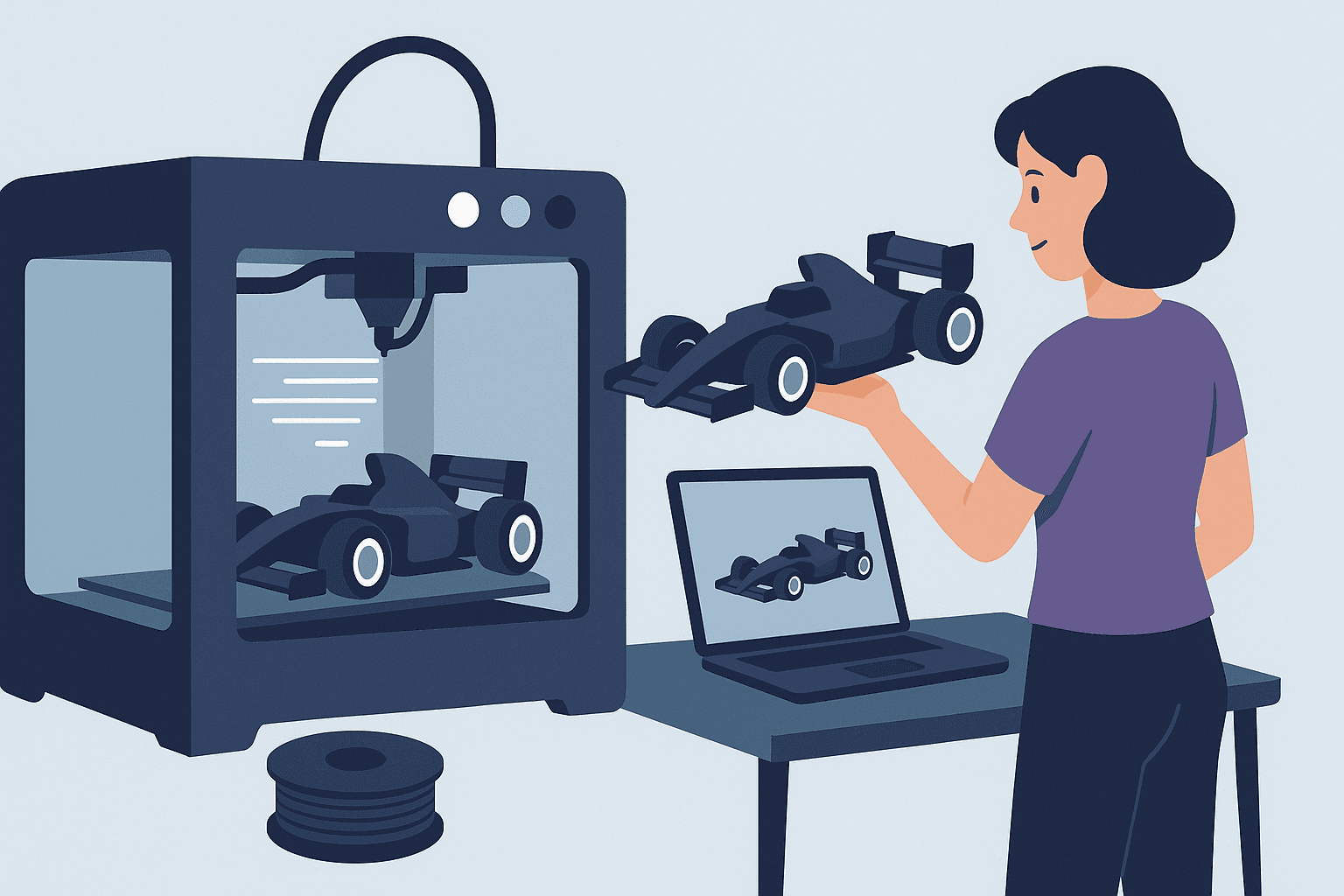
Discover how 3D printing is revolutionizing Formula 1 by enhancing design, reducing costs, and increasing team efficiency.
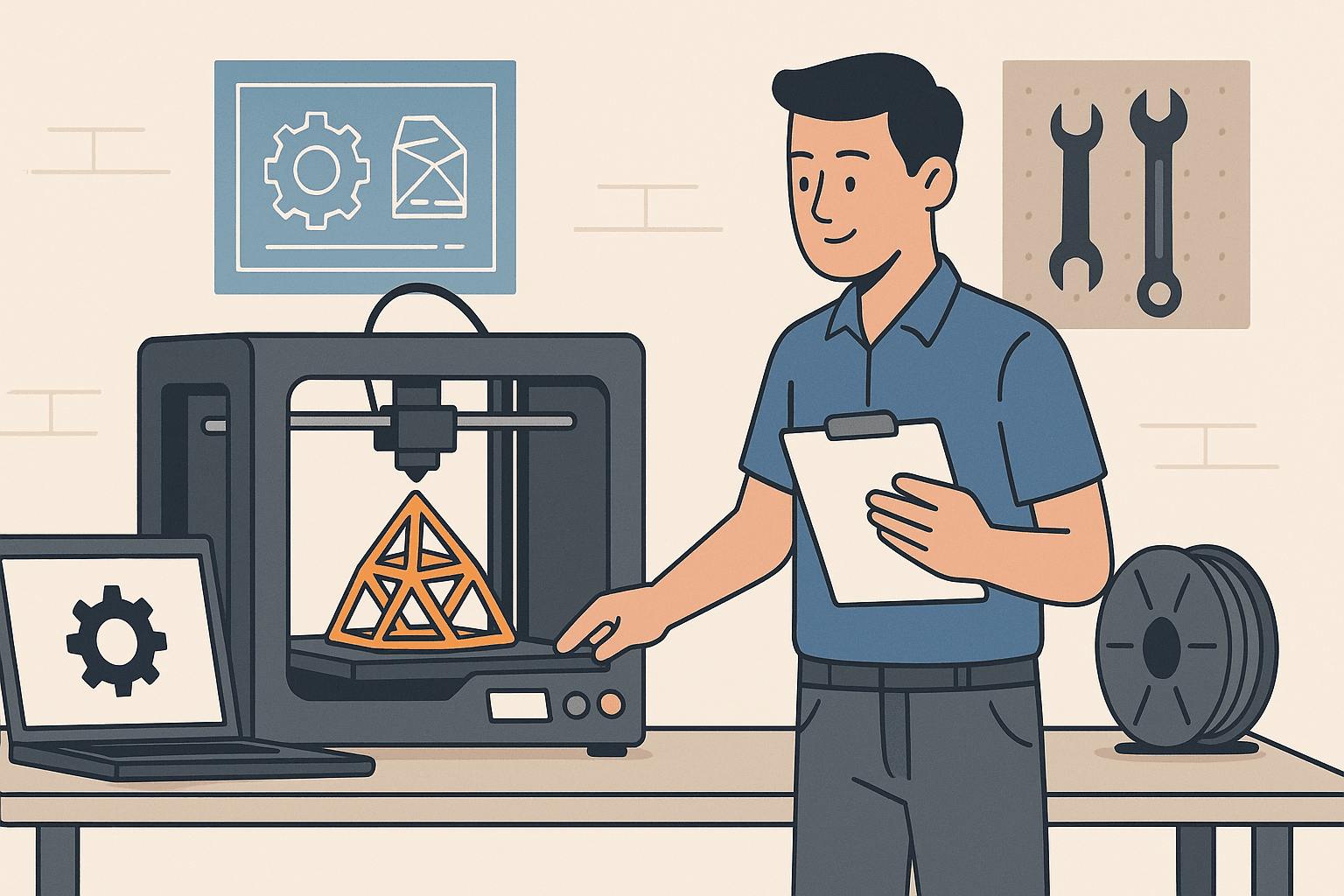
Discover how engineering and 3D printing are transforming design and production, offering innovative and customized solutions across various sectors.

Discover the key features of 3D printers and choose the ideal one for your project with our comparative table. Find out the differences now!