Applications of 3D Printing in Formula 1
Discover how 3D printing is revolutionizing Formula 1 by enhancing design, reducing costs, and increasing team efficiency.
Find out how much a 3D printer costs and the factors that influence the price, from basic models to advanced options.
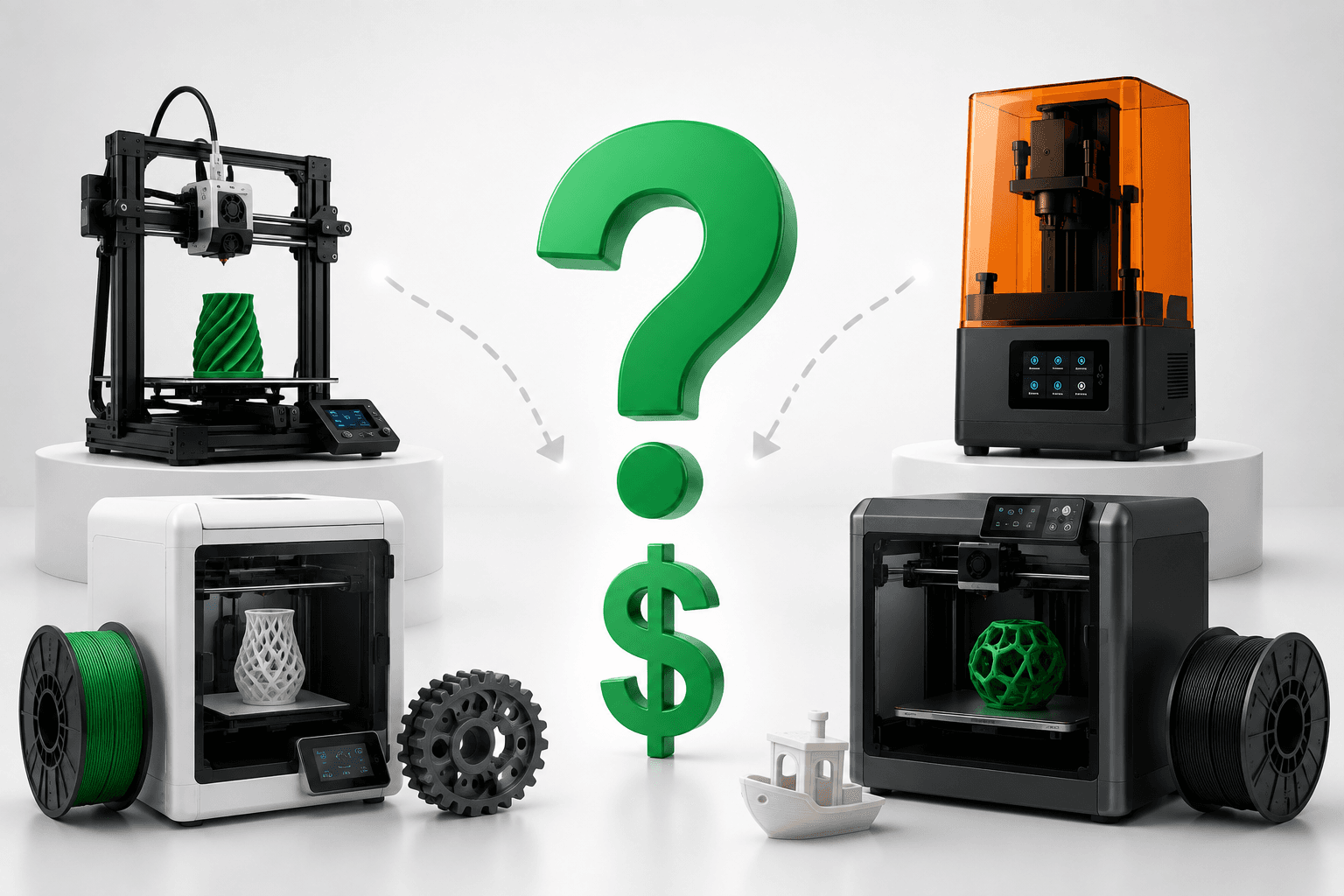
The price of a 3D printer can vary significantly depending on various factors, such as the type of printing technology, brand, print area size, and the materials it can use. For beginners, it's common to opt for FDM (Fused Deposition Modeling) printers, which are generally more affordable and user-friendly. However, even within this category, prices can fluctuate quite a bit due to features like print accuracy, speed, and ease of assembly. For example, a basic FDM printer may come as a kit, which lowers the cost but requires more time and skill to assemble correctly.
On the other hand, printers that use more advanced technologies, such as SLA (Stereolithography) or SLS (Selective Laser Sintering), tend to be more expensive due to their ability to produce objects with greater detail and finish. These printers are often chosen by professionals who need high-quality prototypes or small-scale productions with specific characteristics.
A common mistake among first-time buyers is underestimating the additional costs associated with 3D printing. Beyond the initial cost of the printer, it's important to consider the price of filaments or resins, which can vary based on type and quality, as well as maintenance costs and potential replacement parts. Another often-overlooked factor is the need for a suitable environment to operate the printer, especially in the case of machines that emit fumes or require specific ventilation.
A practical example is the choice between an entry-level printer that requires frequent adjustments and regular maintenance, and a more expensive model that offers greater stability and technical support. While the initial cost is higher, the second option can result in time savings and reduced frustrations, especially for users planning to use the printer intensively.
3D printers can be divided into two main types: FDM (Fused Deposition Modeling) and resin. FDM printers are widely used by beginners and hobbyists due to their cost-effectiveness and ease of use. They work by melting a plastic filament, usually PLA or ABS, which is deposited layer by layer to form the desired object. A popular example is the Bambu Lab A1 Mini, which is compact and offers an excellent introduction to 3D printing without compromising quality.
On the other hand, resin printers, like the Elegoo Mars 5 Ultra 9K, are preferred by professionals and enthusiasts seeking high precision and fine details in their creations. These printers use a process called photopolymerization, where a liquid resin is solidified layer by layer with the help of UV light. This allows for the production of parts with smoother surfaces and a much higher detail resolution compared to FDM printers.
A common mistake when using resin printers is not using proper protection. Liquid resin can be toxic, and it is essential to wear gloves and work in a well-ventilated environment. Additionally, post-printing cleanup is crucial to ensure that the pieces do not remain sticky or poorly cured. In FDM printers, a frequent issue is the lack of proper leveling of the print bed, which can result in failed or distorted prints. Investing time in correct calibration can prevent frustrations and significantly improve the quality of the final results.
FDM (Fused Deposition Modeling) printers are a popular choice among beginners due to their combination of accessibility, ease of use, and a large support community. Models like the Creality Ender-3 V3 KE and the Elegoo Neptune 4 are often recommended for those starting in the world of 3D printing. These printers operate by extruding plastic filaments, such as Bambu Lab PLA LITE, which are melted and deposited layer by layer to create three-dimensional objects.
The Creality Ender-3 V3 KE, for example, is known for its robust structure and modifiability, allowing users to customize and improve the machine over time. With a reasonable print area, it can produce medium-sized parts with good accuracy. The ease of assembly and calibration makes this printer an excellent entry point for enthusiasts and hobbyists.
A practical usage example would be printing custom supports for electronics. By using PLA filaments, which are cheap and easy to work with, you can create prototype supports for devices like cameras or smartphones. However, a common mistake among beginners is not correctly adjusting the first layer height, which can result in poor adhesion to the print bed. To avoid this, it is crucial to calibrate the print bed and ensure that the nozzle is at the correct distance from the bed before starting the print.
The Elegoo Neptune 4 offers an intuitive user interface and additional features, such as automatic bed leveling, which can further simplify the printing process. Remember that while these printers are affordable, it is important to invest in a quality print bed and keep the equipment well-calibrated to ensure high-quality prints.
For projects that require high precision and intricate details, resin printers are the ideal choice. They use a process called stereolithography (SLA) or digital light processing (DLP), where liquid resin is cured layer by layer through a source of ultraviolet light. This allows for the creation of extremely smooth surfaces, ideal for models like board game miniatures or jewelry prototypes. The Anycubic Photon Mono M7 Pro 14K is a popular choice among makers due to its impressive resolution and ability to produce fine details that would be difficult to achieve with traditional FDM printers.
A practical example is printing parts for modeling, where precision is crucial. The ability to print with layers as thin as 0.01 mm makes it possible to capture even the smallest details, such as skin textures or complex patterns on miniatures. However, it is important to remember that the cost of materials, such as ELEGOO Resina 2.0, can be significantly higher than the filament used in FDM printers. Additionally, resin requires careful post-processing, including washing in isopropyl alcohol and further curing under UV light, which can be a common failure point for beginners.
A common mistake is not considering the strong and potentially toxic smell of liquid resin, which requires a well-ventilated workspace. Furthermore, improper handling of the resin can result in unwanted waste and damage to the printer. Therefore, investing in protective equipment, such as gloves and masks, is essential to ensure a safe and efficient working environment.
When considering the purchase of a 3D printer, it is essential to understand the factors that can influence its cost. Firstly, build quality is crucial. Printers with robust metal structures tend to be more expensive but offer greater durability and stability during printing, resulting in fewer vibrations and, consequently, more precise prints. The printer's accuracy, measured in microns, also affects the price. Models that offer higher resolution, such as 50 microns, are ideal for detailed projects but generally come at a higher cost compared to printers that offer a standard resolution of 100 microns.
Another important factor is the size of the print area. Printers with larger print areas allow for the creation of larger objects or multiple objects simultaneously, which is advantageous for industrial or educational projects. However, these printers can be significantly more expensive due to the larger and more complex components needed to support the increased volume.
Additional features, such as wireless connectivity, built-in cameras for remote monitoring, and automatic leveling systems, can also increase the cost. For example, including a camera can be a valuable feature for makers who need to remotely monitor the progress of a print, especially for long prints that may take several hours.
A common mistake is underestimating the importance of technical support and the user community. Brands with good technical support and an active community can offer significant added value, as they facilitate troubleshooting and the exchange of tips and tricks, which can be crucial for beginners in the world of 3D printing.
In addition to the initial cost of the printer, it is essential to consider the additional costs that can significantly impact the overall budget of a 3D printing project. One of the main recurring costs is the printing materials, such as filaments for FDM printers or resins for SLA printers. PLA filaments are generally cheaper, but if you are printing parts that need higher thermal or mechanical resistance, you may need to invest in materials like ABS or PETG, which are more expensive. A practical example is printing functional parts for automobiles; using ABS filament ensures heat resistance and durability, but costs more than regular PLA.
Another cost to consider is upgrades for parts. Many enthusiasts choose to enhance their printers with components like the Creality Sprite Extruder Pro, which offers better extrusion control and is especially useful for flexible materials. However, a common mistake is not checking the compatibility of these upgrades with the specific printer model, which can lead to unnecessary expenses or even damage to the equipment.
Print surfaces are also an important investment. The YOOPAI PEI + PEO Double-Sided Sheet is a popular option, as it offers excellent adhesion for a variety of materials and makes it easier to remove printed parts. However, improper installation can compromise print quality, leading to additional costs for frequent replacements or constant adjustments.
Additionally, maintenance tools, such as lubricants for axes and adhesive sprays, and spare parts, such as extruder nozzles, should be considered in the budget. Ignoring these costs can result in unexpected interruptions in projects, especially in printers that are used frequently. Planning for these additional costs from the outset helps avoid surprises and ensures a smoother and more efficient 3D printing experience.
The decision to consider the purchase of a 3D printer as an investment or an expense is intrinsically linked to the purpose and frequency of use. For hobbyists, the acquisition may initially seem like an expense, especially if the machine is used sporadically to create decorative objects or custom parts. However, even for an enthusiast, the printer can eventually turn into a valuable asset if they decide to sell their creations online or at craft fairs, transforming the hobby into a source of income.
On the other hand, for entrepreneurs or small businesses, a 3D printer can be a strategic investment. Imagine a product designer who uses the printer to create rapid prototypes, allowing them to iterate and test their ideas without the need to outsource this service. This not only saves time but also reduces long-term costs. A concrete example is a custom jewelry startup that uses 3D printers to create unique molds, increasing efficiency and customization capabilities without needing an extensive physical inventory.
A common mistake is underestimating the ongoing costs associated with operating a 3D printer, such as printing materials, maintenance, and potential software upgrades. Additionally, it is crucial to consider the learning time required to master the technology and avoid material waste due to print failures. To maximize the return on investment, both hobbyists and entrepreneurs should carefully assess their needs, research models that meet their specific requirements, and plan for the efficient use of the 3D printer.
Choosing the right 3D printer is a crucial step that can directly impact the success of your projects. It is important to start by clearly defining what your needs are: are you looking for a printer to create functional prototypes, or perhaps to produce artistic pieces with complex details? FDM (Fused Deposition Modeling) printers are generally more affordable and suitable for prototyping and home use, while SLA (Stereolithography) printers offer greater precision and are ideal for applications that require fine details.
In addition to the type of technology, another critical point is to consider the print volume. If you plan to print large objects, make sure the printer has a build volume that meets those dimensions. A common mistake is underestimating the importance of slicing software, which transforms 3D models into understandable instructions for the printer. Choosing compatible and efficient software can prevent frustrations during the printing process.
Also consider ongoing costs, such as materials and maintenance. A practical example is the choice between PLA and ABS filaments. PLA is easier to use and biodegradable, but ABS offers greater strength and durability, although it requires a printer with a heated bed to avoid warping.
A frequent error is not anticipating the learning time needed to operate the printer efficiently. Even more advanced models can have a significant learning curve. Finally, always check reviews from other users and seek online communities for support and valuable tips. Taking these precautions can ensure that your 3D printing experience is productive and satisfying.
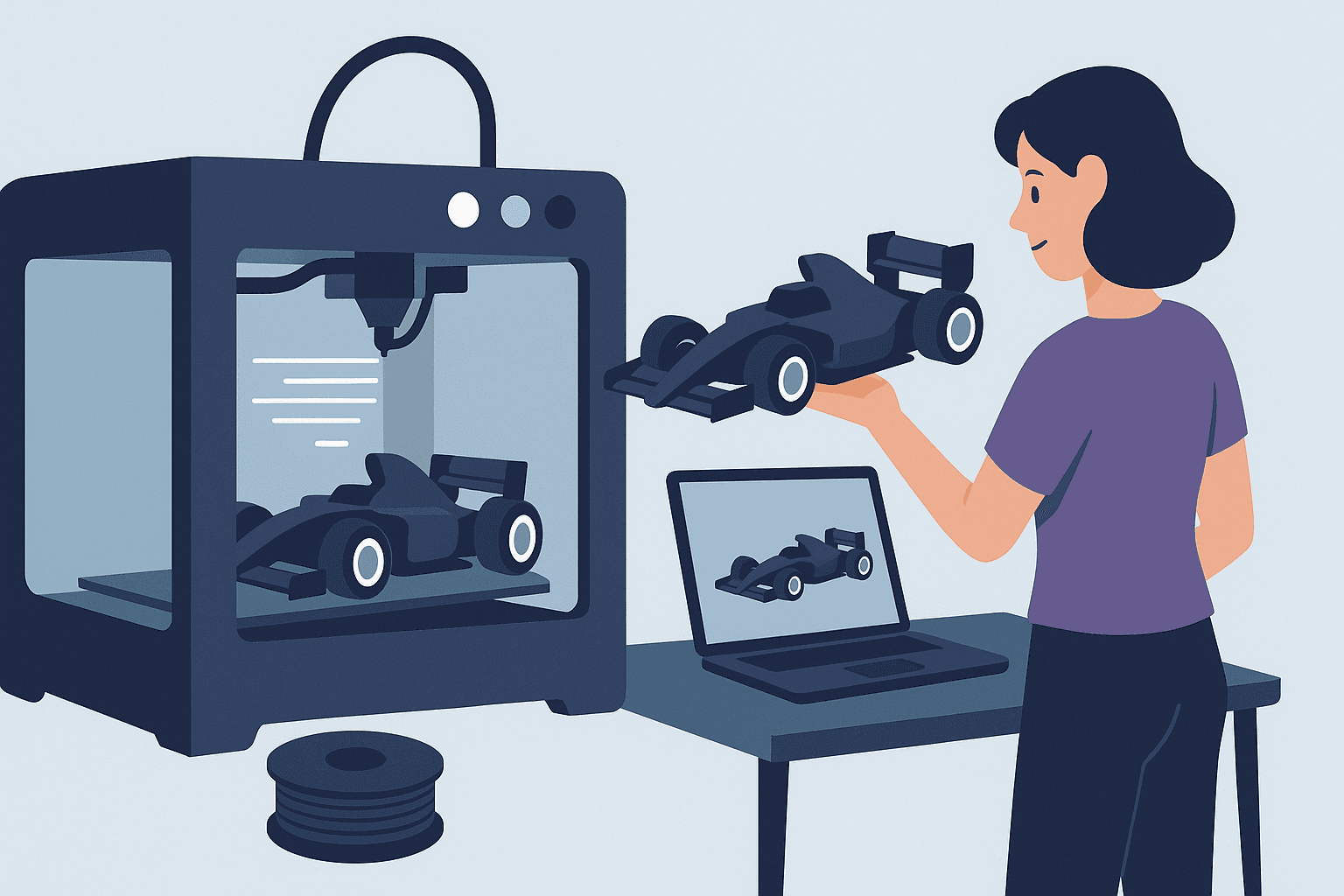
Discover how 3D printing is revolutionizing Formula 1 by enhancing design, reducing costs, and increasing team efficiency.
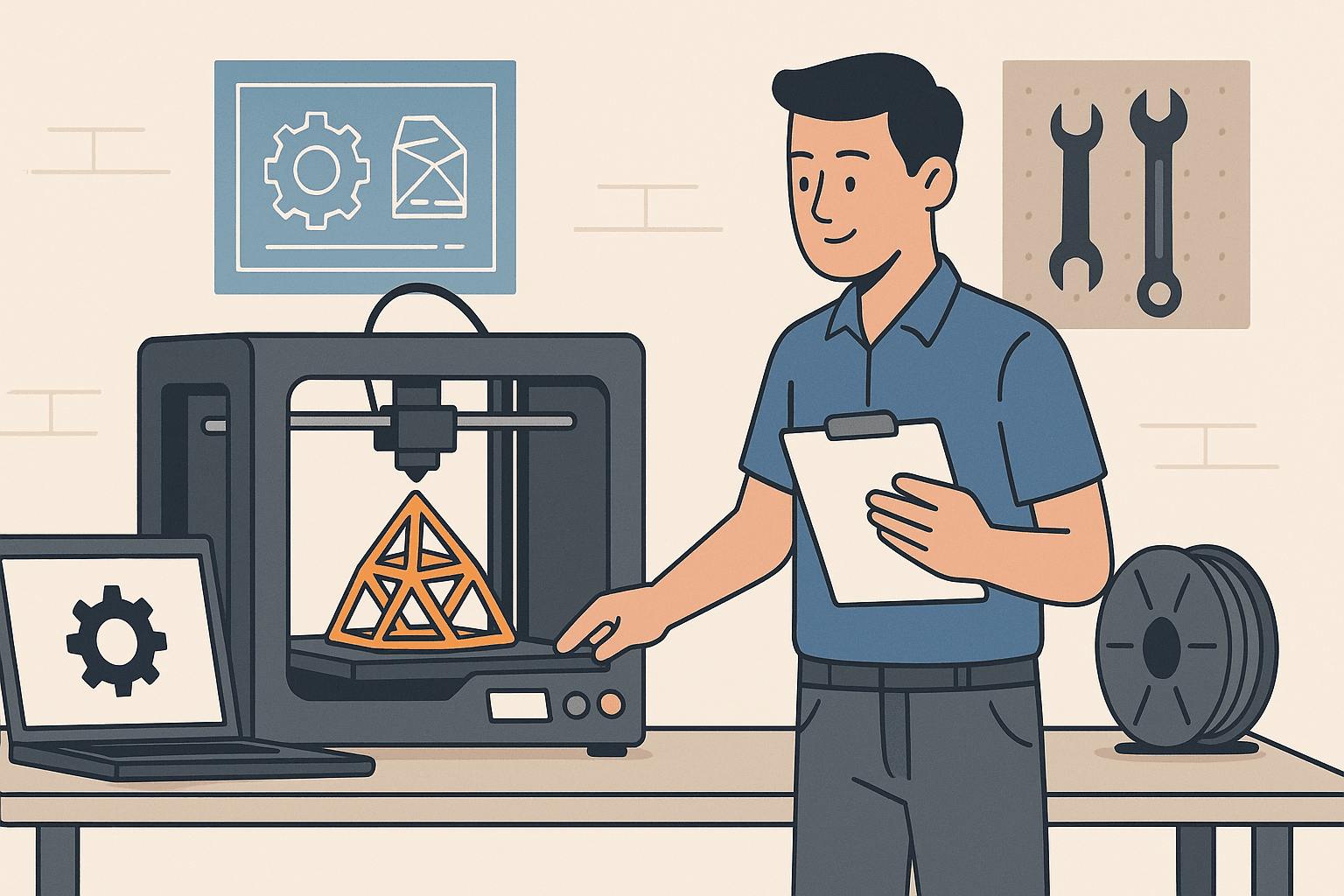
Discover how engineering and 3D printing are transforming design and production, offering innovative and customized solutions across various sectors.
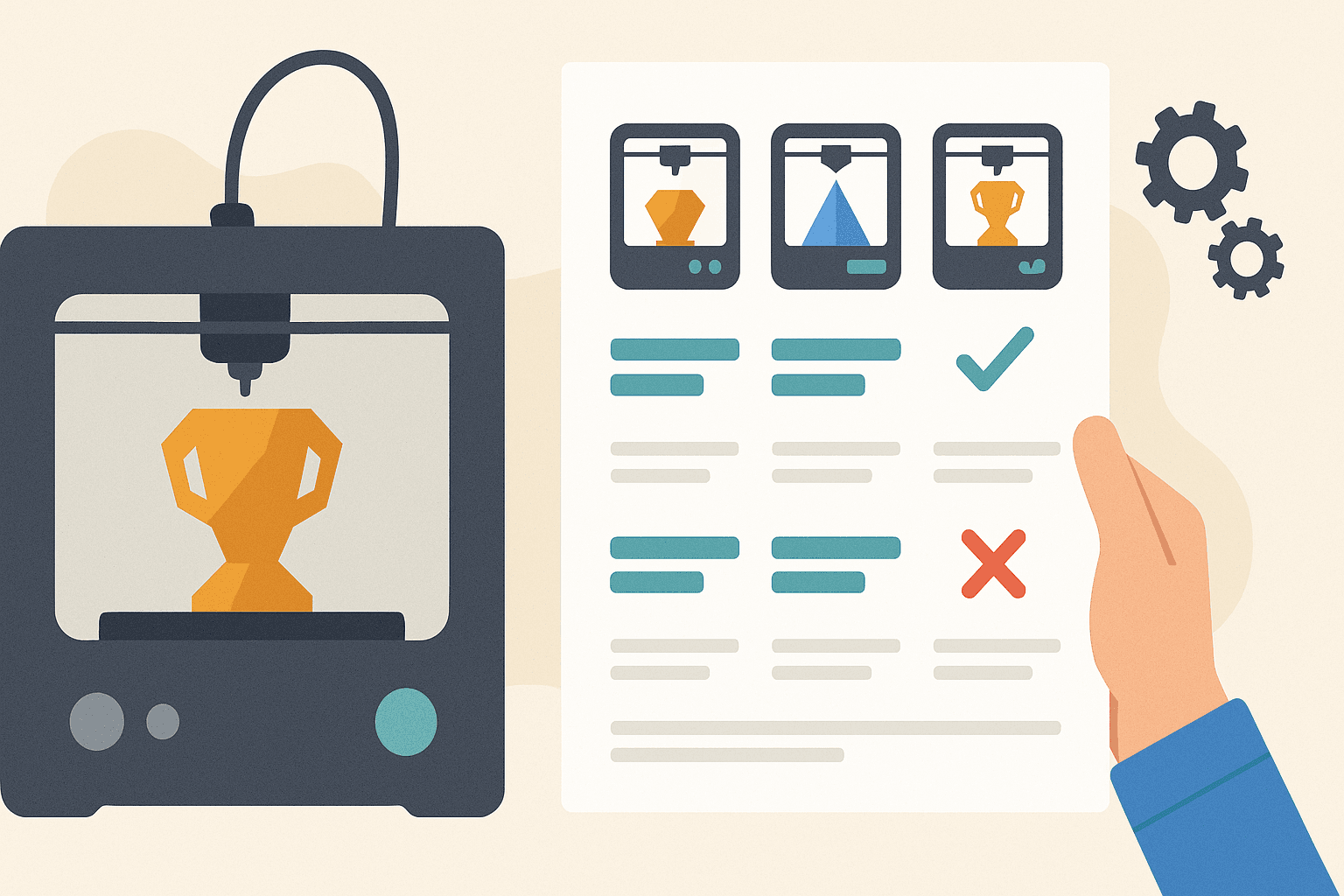
Discover the key features of 3D printers and choose the ideal one for your project with our comparative table. Find out the differences now!