Applications of 3D Printing in Formula 1
Discover how 3D printing is revolutionizing Formula 1 by enhancing design, reducing costs, and increasing team efficiency.
3D printing is transforming aviation with lightweight, customized parts, significantly reducing costs and production times.
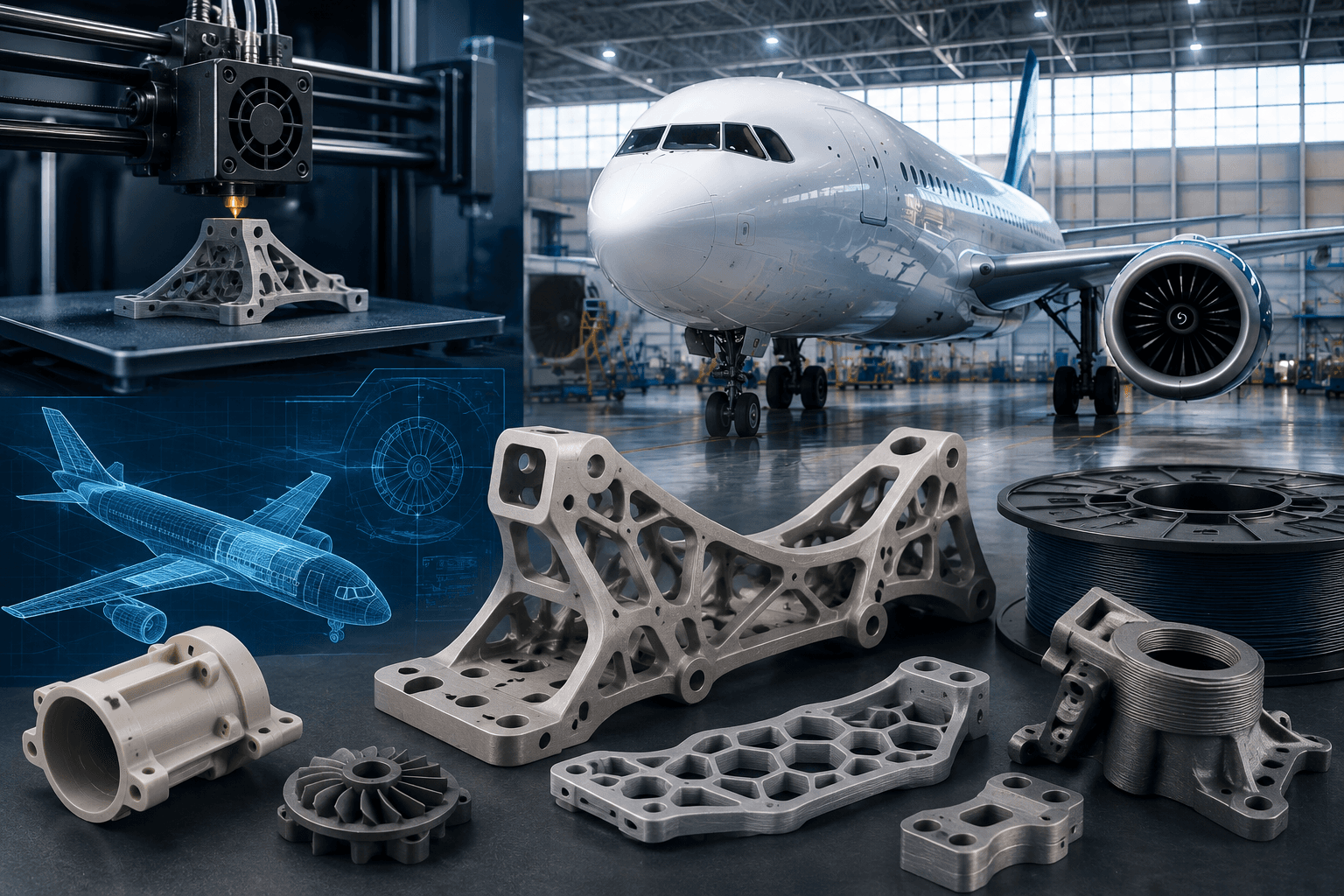
3D printing is revolutionizing the aviation industry by enabling the creation of complex and lightweight parts that were previously impossible or too expensive to manufacture. With the ability to produce components with intricate geometries, the technology is being used to optimize the performance and efficiency of aircraft. A notable example is the use of 3D printing to manufacture fuel nozzles in jet engines. GE Aviation, for instance, has developed fuel nozzles using laser melting technology, resulting in lighter parts with fewer components than traditional versions, improving fuel efficiency and reducing production costs.
The evolution of 3D printing in aviation is also evident in the production of interior parts, such as cabin panels and seat supports, where weight reduction is crucial. Airbus is already using 3D printed parts in its A350 XWB models, allowing for a significant reduction in the total weight of the aircraft, which translates to lower fuel consumption and CO2 emissions.
However, a common mistake when adopting 3D printing in aviation is underestimating the importance of qualification and certification of parts. Printed parts must undergo rigorous quality and safety testing to meet industry standards, which can be a time-consuming and costly process. Additionally, choosing the right material is critical; not all polymers or metals used in 3D printing are suitable for withstanding the extreme conditions of flight. Therefore, close collaboration between materials engineers and additive manufacturing specialists is essential to avoid failures and ensure the durability and safety of 3D printed parts in aviation.
3D printed parts offer numerous advantages in aviation, starting with weight reduction. By using materials like titanium and high-performance polymers, printed parts can be designed with hollow internal structures that maintain strength while eliminating unnecessary material. This not only improves fuel efficiency but also allows for greater payload capacity and range for aircraft. A notable example is GE Aviation, which uses 3D printing to produce fuel nozzles for jet engines. These nozzles are 25% lighter and five times more durable than their conventionally manufactured counterparts.
Moreover, 3D printing allows for the creation of intricate shapes that would be impossible or extremely costly to manufacture using traditional methods. This includes lattice structures that enhance the strength and durability of parts. However, it is crucial for engineers to consider the anisotropic behavior of 3D printed materials, as mechanical properties can vary depending on the printing orientation. A common mistake is not conducting stress tests in different directions, which can lead to unexpected failures under load.
Another important point is the ability for customization and on-demand manufacturing. 3D printing significantly reduces development and production time, allowing companies to quickly respond to specific needs or modify existing parts without the need for new tools or molds. However, it is essential to ensure that all printed parts meet the rigorous certification standards of aviation, a process that can be complex and time-consuming but is vital for ensuring safety and reliability.
Traditional manufacturing in aviation involves complex and costly processes, such as CNC machining, casting, and manual assembly, which can take weeks or even months to complete. These methods not only consume time but also require significant investment in tools and molds, which are specific to each part. 3D printing, on the other hand, offers a revolutionary solution by enabling the production of complex parts in a matter of hours, without the need for specific tools. This is made possible by the ability to print directly from digital models, eliminating intermediate steps and drastically reducing production time.
A concrete example of this application is Airbus, which uses 3D printing to produce aircraft components, such as supports and connectors, that are critical to the structure of the aircraft. By adopting 3D printing, Airbus has managed to reduce the weight of some parts by up to 55%, which, in turn, contributes to greater fuel efficiency and reduced carbon emissions.
A common mistake that some companies face when integrating 3D printing is underestimating the importance of optimized design for additive manufacturing. While 3D printing offers design freedom, parts must be specifically designed to take advantage of the technology, such as the ability to create complex geometries and lightweight internal structures. Ignoring this step can result in parts that are not optimized for 3D printing, leading to failures or inefficiencies in the manufacturing process. Therefore, it is crucial for companies to invest in training and appropriate design software to maximize the benefits of 3D printing in aviation.
Aviation requires customized parts for different aircraft models. 3D printing allows this customization without the need for expensive tools, quickly meeting unique specifications.
Innovation in materials for 3D printing has played a crucial role in transforming aviation. One of the most promising materials is PETG, known for its heat and corrosion resistance, essential characteristics for aerospace components. The Creality PETG Filament is a notable example, offering a unique combination of durability and flexibility, making it suitable for parts that need to withstand extreme conditions without compromising structural integrity.
A real-world application of PETG in aviation is the manufacturing of air ducts for ventilation systems in aircraft. These ducts need to withstand temperature and pressure variations, and PETG provides the necessary strength while being lighter than traditional materials, contributing to the aircraft's fuel efficiency.
However, when working with PETG, it is crucial to pay attention to the extrusion temperature and bed adhesion. A common mistake is not adjusting the temperature correctly, which can result in poorly adhered layers or warping. The ideal extrusion temperature for PETG typically ranges from 220°C to 250°C, but it is always advisable to conduct preliminary tests to adjust according to the machine and printing environment. Additionally, ensuring good bed adhesion, possibly using a heated surface or specific adhesives, can prevent issues like warping, which is the deformation of the part's edges during printing.
Choosing the right material and paying attention to technical details are fundamental for the success of 3D printing in aviation, where safety and efficiency are top priorities.
For those looking to start 3D printing for aviation, the Bambu Lab A1 Mini and Elegoo Neptune 4 are excellent choices due to their precision and reliability, essential in producing aerospace parts. The Bambu Lab A1 Mini is known for its robustness and ability to print with high-strength materials, such as carbon fiber reinforced nylon, which is often used in aircraft components that require durability under extreme conditions. Additionally, its intuitive interface and support for multiple materials make it a versatile option for beginners and professionals alike.
On the other hand, the Elegoo Neptune 4 stands out for its heated print bed and automatic leveling system, ensuring excellent adhesion and precision in the first layer, a critical factor in printing complex and detailed parts. This printer also supports a wide range of filaments, including ABS and PETG, which are commonly used in manufacturing parts that need to withstand high temperatures and mechanical stresses.
A real-world application example is the printing of cable supports for aircraft electrical systems. With the Bambu Lab A1 Mini, it is possible to produce custom supports that fit perfectly into the limited spaces of aircraft, optimizing space usage and reducing weight. However, a common mistake when using these printers is not properly calibrating the nozzle and heated bed temperature, which can result in deformations or inadequate adhesion of the part. Adjusting these parameters according to the type of material used is crucial to avoid failures and ensure the quality of the final product. Thus, both the Bambu Lab A1 Mini and Elegoo Neptune 4 provide the necessary tools to turn aviation projects into reality with efficiency and precision.
The future of 3D printing in aviation is promising, with the potential to revolutionize the manufacturing of aerospace components. As technology advances, 3D printing is expected to become an even more integrated part of manufacturing processes, allowing for the production of complex parts with geometries that would be impossible or extremely costly to manufacture using traditional methods. A concrete example is GE Aviation, which is already using 3D printing to produce fuel nozzles in its jet engines. These nozzles are printed as a single piece, eliminating the need to weld 20 separate parts, resulting in a lighter and more robust component.
In addition to the design and weight advantages, 3D printing also offers significant benefits in terms of production time and costs. Parts that previously took weeks to manufacture can now be produced in a matter of days, reducing aircraft downtime and increasing operational efficiency. However, a common challenge faced is the certification of printed parts. The aviation industry is highly regulated, and ensuring that printed parts meet strict safety and quality standards can be a lengthy and complex process.
Another point to consider is the material used in printing. While plastic is common in many 3D printing applications, in aviation, the use of metals, such as titanium and aluminum alloys, is essential to ensure the necessary strength and durability. A common mistake is underestimating the importance of post-processing, which may include heat treatments or surface finishes to ensure that parts meet the required performance specifications.
With the continuous evolution of materials and printing techniques, it is likely that 3D printing will become an even more valuable tool in aircraft production, fostering innovations that were once only imaginable.
3D printing offers weight reduction, cost savings, and shorter production times, as well as the ability to customize parts.
Materials like PETG are used for their heat and corrosion resistance, ideal for aerospace parts.
It reduces costs by eliminating the need for expensive tools and allowing for on-demand production, minimizing inventory.
The Bambu Lab A1 Mini and Elegoo Neptune 4 are recommended for their precision and reliability.
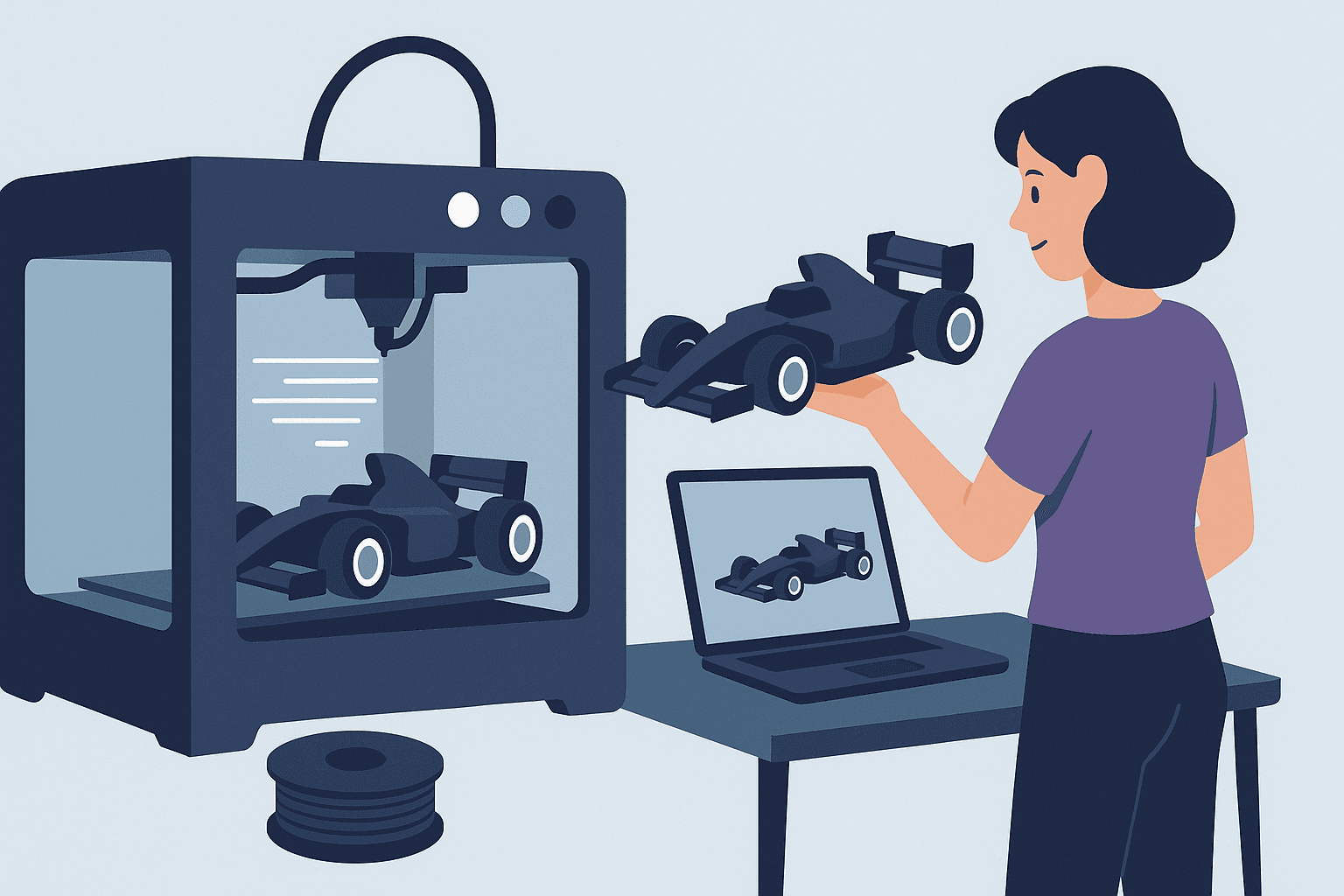
Discover how 3D printing is revolutionizing Formula 1 by enhancing design, reducing costs, and increasing team efficiency.
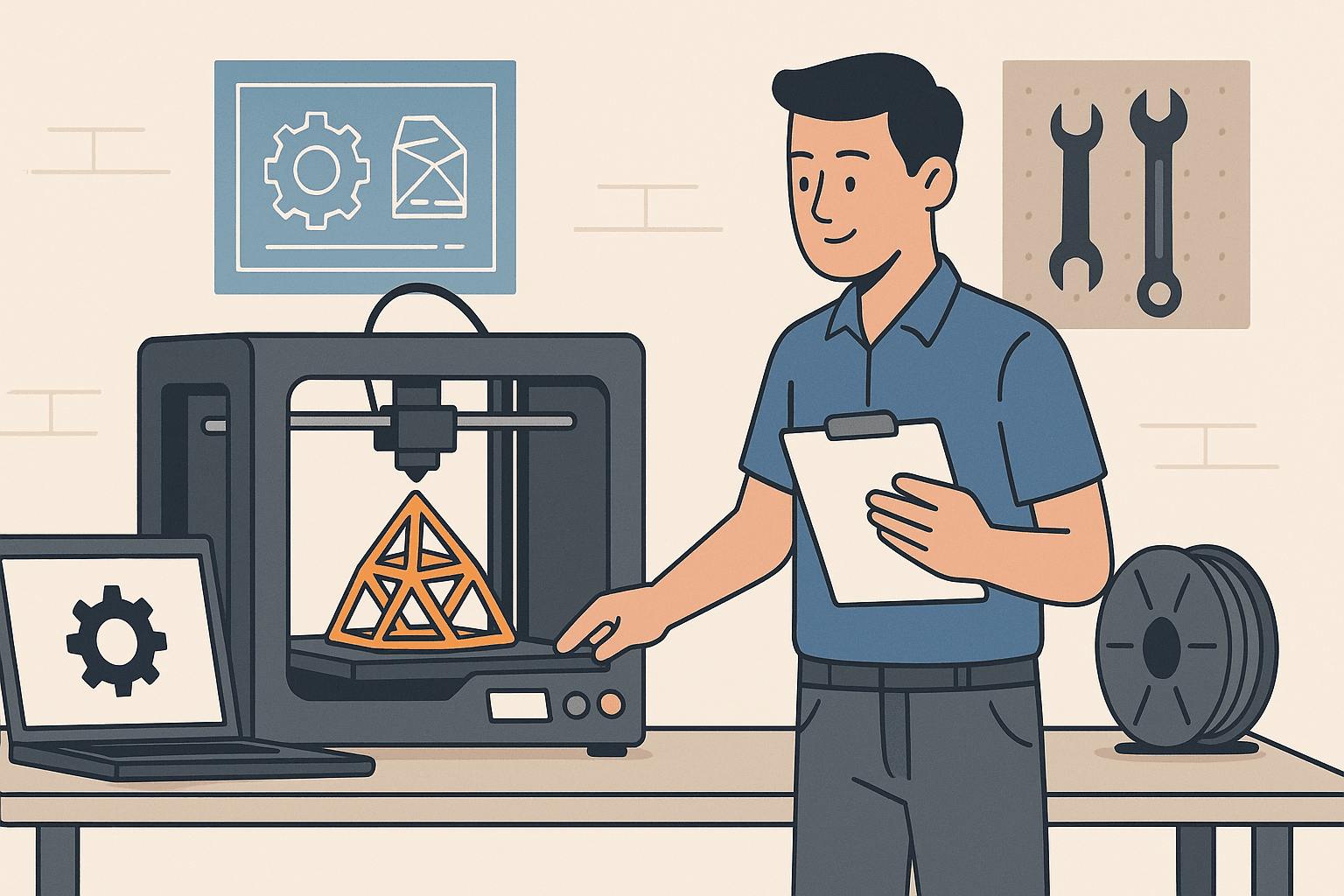
Discover how engineering and 3D printing are transforming design and production, offering innovative and customized solutions across various sectors.

Discover the key features of 3D printers and choose the ideal one for your project with our comparative table. Find out the differences now!