Applications of 3D Printing in Formula 1
Discover how 3D printing is revolutionizing Formula 1 by enhancing design, reducing costs, and increasing team efficiency.
Explore the characteristics of PLA, PETG, ABS, ASA, and TPU filaments to choose the right material for your 3D printing projects.
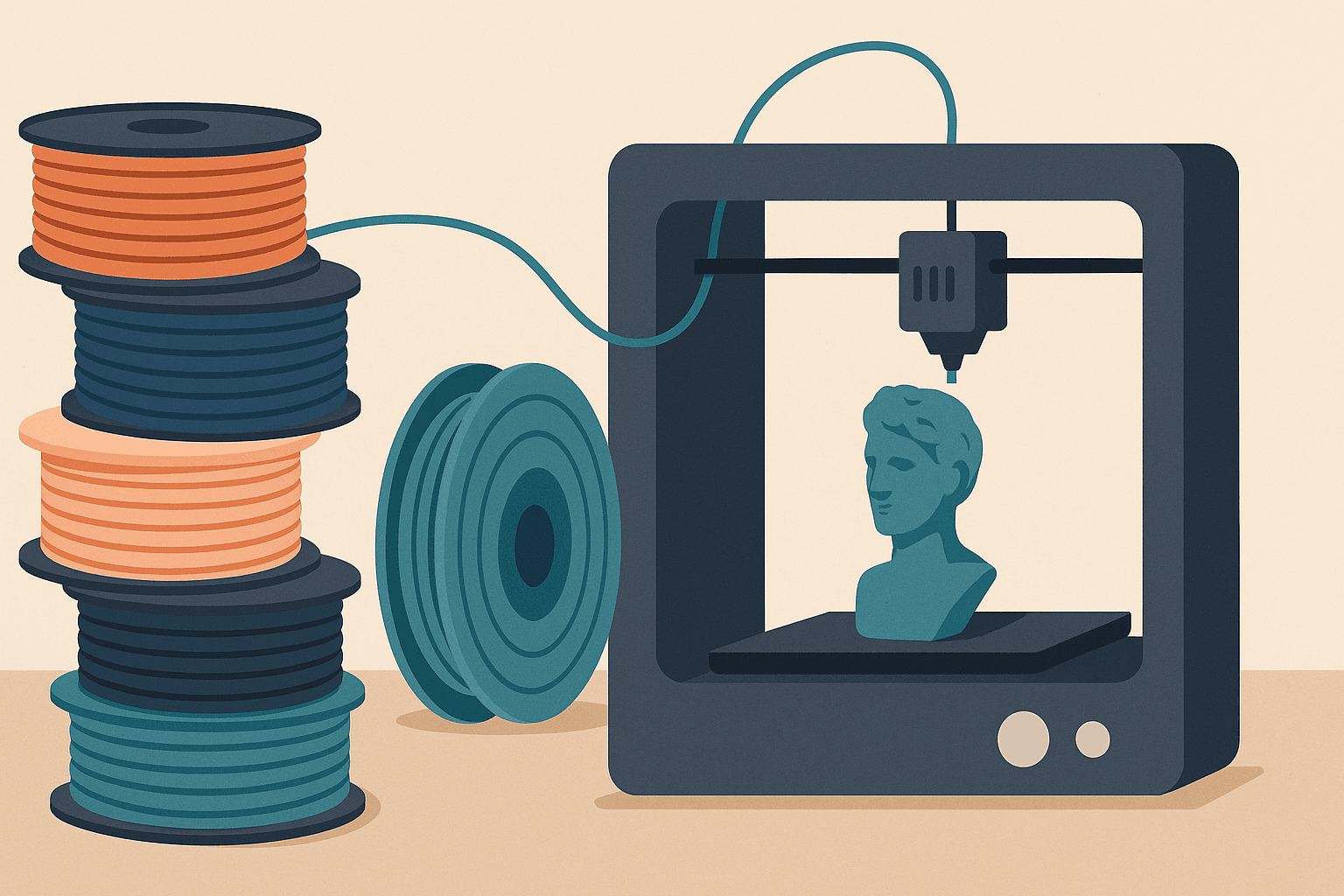
PLA (polylactic acid) is widely recognized as the go-to material for those starting out in the world of 3D printing. This thermoplastic is derived from renewable sources like corn starch, making it an eco-friendly option due to its biodegradability. One of the main advantages of PLA is its relatively low melting point, around 180 to 220 degrees Celsius, which means it can be used on virtually any desktop 3D printer without the need for a heated bed.
In addition to being easy to print, PLA offers good surface quality and is available in a wide variety of colors and finishes, including translucent and matte options. This makes it ideal for creating visual prototypes, architectural models, and decorative pieces. For example, a designer might use PLA to print a scale model of a building, taking advantage of its dimensional accuracy and fine details.
However, PLA has its limitations. It is not very heat-resistant, starting to soften around 60 degrees Celsius, which makes it unsuitable for applications requiring thermal resistance, such as automotive components or kitchen utensils. Additionally, PLA can be brittle and is not the best choice for parts that need to withstand significant mechanical stress.
A common mistake among beginners is not properly adjusting the print temperature and speed, which can result in poorly adhered layers or warping. Therefore, it is crucial to calibrate the printer to achieve the best results with PLA. Adjustments like reducing print speed and using cooling fans can significantly improve the final quality of prints.
PETG is a filament that stands out for combining the ease of printing of PLA with the robustness of ABS. This material is known for its superior durability, flexibility, and chemical resistance, making it a versatile choice for a wide range of applications. One of the main benefits of PETG is its ability to withstand mechanical stress without breaking, making it ideal for functional parts that require strength and durability. For instance, it is often used in manufacturing replacement parts for appliances, brackets, and even drone components, where impact resistance and stability are crucial.
Moreover, PETG has good moisture resistance and environmental exposure, which means it does not deform easily under outdoor conditions. This makes it an excellent choice for projects that need to withstand environmental wear, such as garden stakes or bicycle parts. However, it is important to remember that despite its strength, PETG can be more prone to stringing (fine plastic threads between parts) during printing. This usually happens when the print temperature is too high or retraction is not set correctly. Adjusting the temperature and retraction settings can help minimize this issue.
A common mistake when working with PETG is not adequately adjusting the print speed. Due to its viscosity, PETG requires a slower print speed compared to PLA to ensure good layer adhesion and avoid print failures. For beginners, it may be helpful to start with lower speeds and gradually increase as they become familiar with the material's behavior. With the right adjustments, PETG can deliver exceptional results, combining flexibility and strength in a single material.
ABS (Acrylonitrile Butadiene Styrene) is one of the most popular materials for 3D printing due to its durability and heat resistance, making it ideal for applications that require robustness and temperature resistance. This thermoplastic is widely used in the manufacturing of automotive parts, such as dashboards and brackets, as well as toys like the famous building blocks. Its ability to withstand high temperatures without deforming makes it a preferred choice for parts that will be exposed to heat.
However, printing with ABS presents challenges that require attention. The material tends to shrink as it cools, which can cause warping and cracking in the printed parts. To mitigate this problem, it is essential to use a 3D printer with a closed and heated chamber, which helps maintain a stable ambient temperature during the printing process. Additionally, using a heated bed is highly recommended to improve first layer adhesion and reduce the risk of warping.
A practical example of using ABS is printing a motor mount for a drone. Due to the need for resistance to vibrations and temperatures generated by the motor, ABS stands out as an appropriate choice. However, a common mistake when printing with ABS is neglecting proper ventilation in the workspace. During printing, ABS releases fumes that can be unpleasant and potentially harmful. Therefore, it is crucial to ensure adequate ventilation or use appropriate filters to avoid inhaling vapors. Furthermore, correctly adjusting print parameters, such as nozzle temperature and print speed, is vital for achieving high-quality results with ABS.
ASA (Acrylonitrile Styrene Acrylate) is a popular choice for those needing outdoor stability. Compared to ABS, ASA offers superior UV resistance, preventing fading and degradation of parts when exposed to sunlight for extended periods. This makes ASA ideal for applications such as garden furniture, automotive components, and outdoor signage, where durability and color maintenance are crucial.
A practical example of using ASA is printing covers for car side mirrors. These components need to withstand not only sun exposure but also weather conditions like rain and temperature variations. ASA ensures that the part maintains both its structural integrity and aesthetic appearance without cracking or discoloration.
However, it is important to be mindful of some nuances when printing with ASA. A common pitfall is not properly adjusting the extrusion temperature and heated bed temperature. ASA typically requires an extrusion temperature between 240°C and 260°C, and the heated bed should be around 90°C to 110°C to avoid warping during printing. Additionally, using a closed chamber can help maintain a stable ambient temperature, reducing the risk of print failures.
Another point to consider is bed adhesion. Using a suitable print surface, such as a PEI sheet or applying a glue stick, can make a difference in the final quality of the part. With the right care, ASA can be an extremely reliable and durable material for your outdoor printing needs.
TPU (thermoplastic polyurethane) is a popular choice for projects that require flexibility and elasticity. Its ability to resist deformation and return to its original shape makes it the ideal material for items like phone cases, watch bands, shoe soles, and even automotive components that require impact absorption. However, printing with TPU can be challenging due to its flexible nature, which can cause jams in the extruder or filament feeding failures.
To ensure successful printing with TPU, it is essential to properly adjust the 3D printer. One of the most critical adjustments is the print speed. A slower speed is recommended, typically between 20 to 30 mm/s, to avoid feeding issues. Additionally, using a direct extruder instead of a Bowden system can help minimize filament bending during feeding.
A practical example of using TPU is manufacturing a vibration-damping camera mount. In this case, the elasticity of TPU helps absorb unwanted vibrations, providing more stable footage. However, a common mistake when printing with TPU is not properly adjusting retraction, which can lead to clogs. Reducing or even disabling retraction may be necessary, depending on the specific printer setup.
Another point to consider is bed adhesion. TPU adheres well to heated surfaces, but applying a thin layer of glue or blue tape can further improve adhesion and prevent warping. With patience and careful adjustments, TPU can open up a world of creative possibilities for projects requiring flexible and durable materials.
When selecting the right material for your 3D printing project, it is crucial to consider three main factors: the environment in which the part will be used, the required mechanical properties, and the type of printer you have. For example, PLA is an excellent starting point for beginners and decorative projects due to its ease of use and wide availability. It is biodegradable and offers good surface finish, but it is less heat and moisture resistant, limiting its use in outdoor or mechanical applications.
For parts that require greater strength and flexibility, PETG may be a more suitable choice. This material combines the ease of printing of PLA with the durability of ABS, being impact and chemical resistant. An example application for PETG would be manufacturing parts that need to withstand harsher environmental conditions, such as outdoor camera mounts.
ABS is a common choice for functional parts that need to withstand high temperatures, but it requires a printer with a closed chamber and heated bed to avoid warping. A common mistake is trying to print ABS on an open printer, which can result in weak and deformed parts.
On the other hand, TPU is ideal for applications requiring flexibility, such as phone cases or gaskets, but it can be challenging to print due to its tendency to clog the printer nozzle. Ensure your printer is compatible with flexible filaments and adjust the print speed to avoid issues. Choosing the wrong material can lead to project failures, so always align the material characteristics with the specific needs of your project.
To work with more complex materials like ABS and ASA, it is essential to consider 3D printers that have closed chambers and heated surfaces. These features help maintain a stable temperature during the printing process, reducing common issues like warping and delamination, which occur due to the rapid contraction of the material as it cools. Printers like the Bambu Lab P1S + AMS are designed to offer these advanced features, making them ideal for projects that require precision and strength.
A practical example of use would be printing automotive parts with ABS, which require high thermal and mechanical resistance. The closed chamber of the printer helps maintain a warm and consistent printing environment, minimizing the possibility of structural failures. Additionally, the heated surface ensures better first layer adhesion, essential for the final quality of the part.
A common mistake when working with these materials is ignoring the importance of proper ventilation within the chamber. While a closed chamber is crucial, controlled ventilation can help avoid the buildup of harmful gases released during the printing of ABS and ASA. Therefore, choosing a printer that allows precise control of internal airflow can be a significant differentiator.
Another point to consider is the use of adhesives or specific build surfaces, such as PEI sheets, which can improve adhesion and facilitate part removal after printing. Choosing the right equipment and accessories not only enhances print quality but also expands creative possibilities, allowing for more complex and ambitious projects.
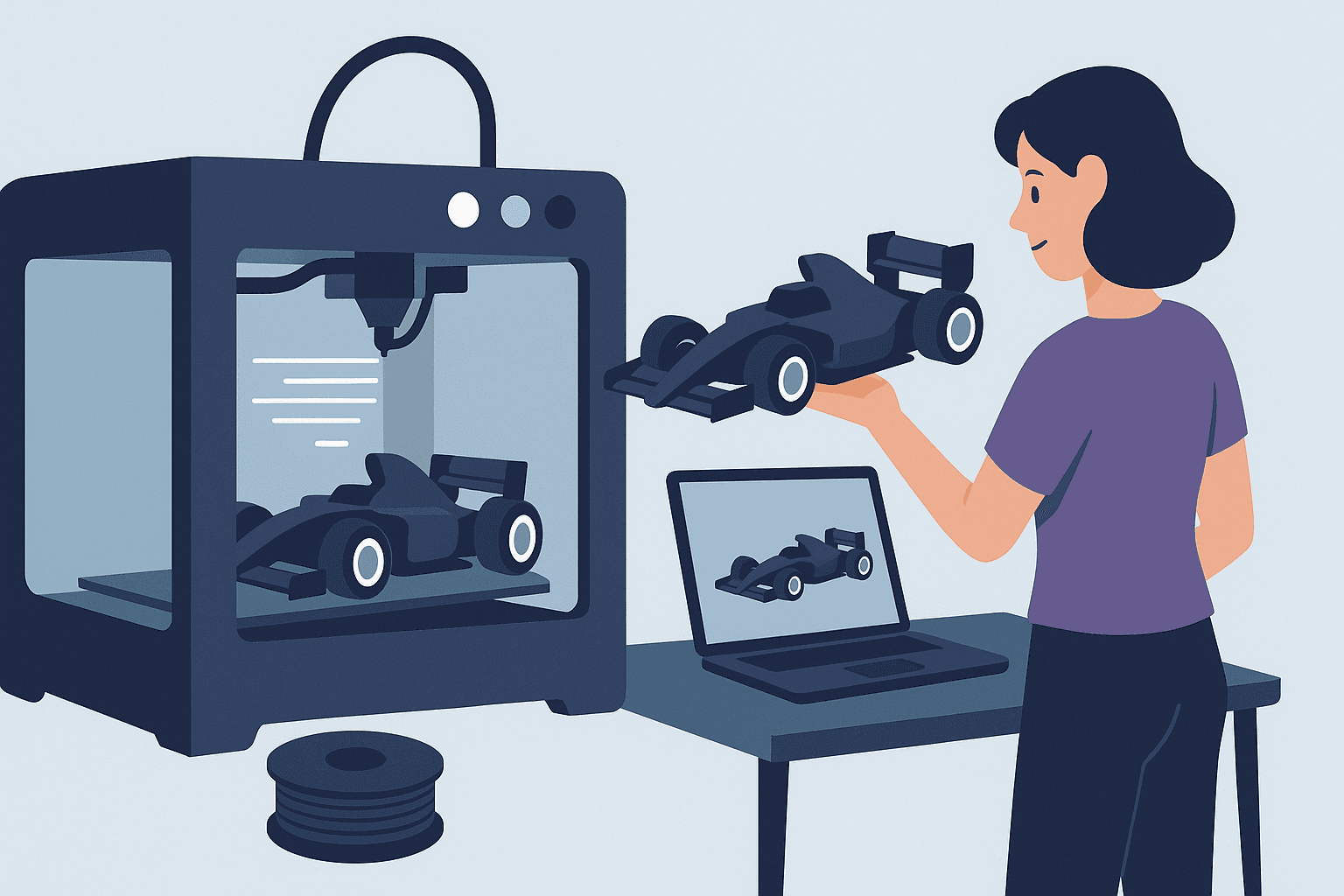
Discover how 3D printing is revolutionizing Formula 1 by enhancing design, reducing costs, and increasing team efficiency.
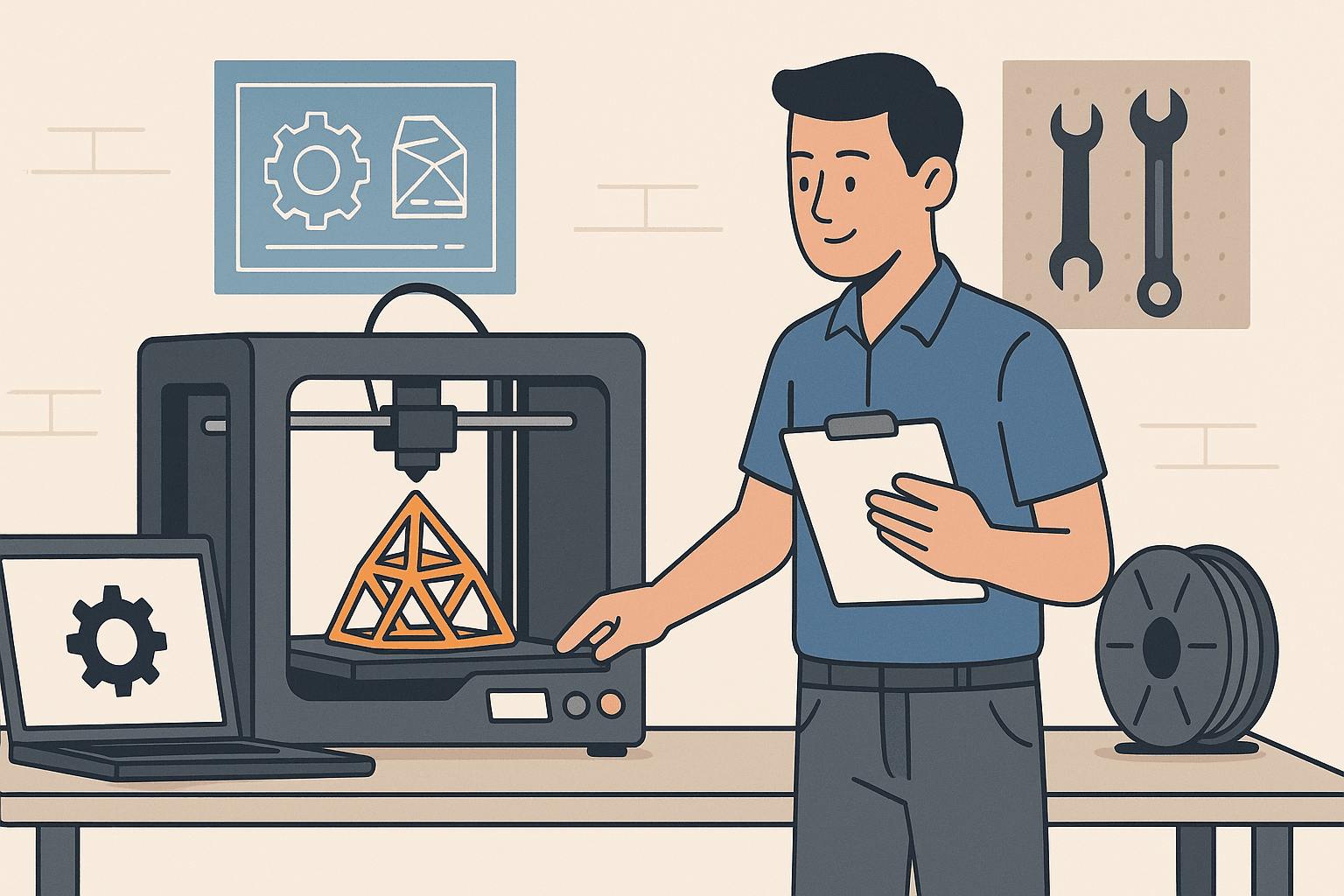
Discover how engineering and 3D printing are transforming design and production, offering innovative and customized solutions across various sectors.

Discover the key features of 3D printers and choose the ideal one for your project with our comparative table. Find out the differences now!