Applications of 3D Printing in Formula 1
Discover how 3D printing is revolutionizing Formula 1 by enhancing design, reducing costs, and increasing team efficiency.
Discover how to choose the right industrial FDM printer for your workflow, from budget-friendly options to large-scale production platforms.
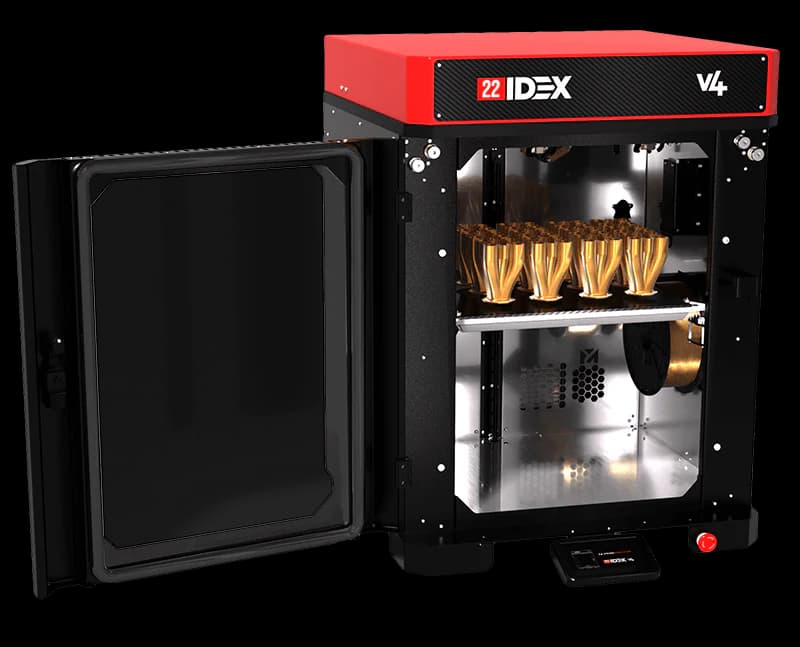
Industrial FDM printers are a strategic choice for companies looking to optimize large-scale production while ensuring both efficiency and quality of the final products. Machines like the robust PRODUCTION WORKHORSE 22 IDEX v4 are designed to withstand intense demands and offer a range of options tailored to the specific needs of each business.
The FDM (Fused Deposition Modeling) technology used in these printers allows for the manufacturing of parts with high-strength materials such as nylon and polycarbonate, which are essential in sectors like automotive and aerospace. A practical example is an automotive prototyping company that uses the PRODUCTION WORKHORSE 22 IDEX v4 to create complex components requiring precision and durability. With its ability to print at high temperatures, this printer can process advanced materials like PEEK and Ultem, expanding application possibilities.
A critical point when implementing industrial FDM printers is ensuring that the team is properly trained to operate the equipment. A common mistake is underestimating the importance of correctly adjusting printing parameters, such as nozzle temperature and extrusion speed. This can lead to layer adhesion failures, compromising the structural integrity of the part. Another challenge is regular maintenance, which is often neglected, leading to unexpected production downtime.
To avoid these issues, it is essential to follow the manufacturer's guidelines and perform routine checks on the equipment. This way, companies can maximize uptime and ensure consistent quality of printed products, solidifying the printer as a true ally in the production line.
For those seeking cost-effective options in high-temperature 3D printers, models like the Bambu Lab A1 Mini stand out for offering a combination of print quality and financial accessibility. These printers are particularly efficient in producing prototypes and small series of technical parts, allowing engineers and designers to test their ideas without incurring high operational costs.
The Bambu Lab A1 Mini is equipped with an extruder capable of reaching temperatures above 300°C, making it compatible with a wide range of high-performance filaments such as nylon and polycarbonate. This is crucial for industries that require materials with high thermal and mechanical resistance. Additionally, its compact and robust structure allows it to be easily integrated into small work environments without the need for significant layout adjustments.
A practical example of use is in the manufacturing of components for the automotive industry, where heat and abrasion resistance is essential. With the Bambu Lab A1 Mini, it is possible to produce parts like supports and connectors that need to withstand adverse conditions within an engine.
However, it is common for beginners to underestimate the importance of properly calibrating the heated bed when working with high-temperature materials. Poor calibration can result in inadequate adhesion of the first layer, leading to printing failures. It is advisable to invest time in the initial setup and to use adhesives or suitable build surfaces for each type of material, ensuring project success from the start.
When it comes to large-scale production, choosing the right 3D printer is crucial to ensure efficiency and consistency. The Bambu Lab P1S + AMS (Combo) is a notable example of a printer designed for these challenges. Equipped with advanced features, these printers can operate for long periods without interruptions, thanks to high-quality components and integrated monitoring systems that ensure quality and precision are maintained over time.
One of the most important technical aspects of these machines is the extrusion system, which is optimized to handle a variety of materials, including those that require high temperatures. This is essential for industrial applications that demand durability and strength in the final products. Additionally, the AMS automatic filament feeding system allows for quick and efficient material changes, minimizing downtime and increasing productivity.
A practical example of use is in the manufacturing of automotive parts, where precision and strength are fundamental. The Bambu Lab P1S can produce complex components with tight tolerances, ensuring that each piece fits perfectly in larger assemblies. However, it is important for operators to properly program printing parameters, such as temperature and speed, to avoid common defects like delamination or warping.
A common mistake is underestimating the importance of leveling the print bed. Even in industrial printers, inadequate leveling can lead to failures in first layer adhesion, resulting in wasted material and time. Therefore, performing regular calibrations and following best maintenance practices are essential steps to maximize printer performance and longevity. With proper attention to these details, printers like the Bambu Lab P1S become true workhorses in large-scale production.
When selecting the ideal FDM 3D printer for your workflow, it is crucial to evaluate not only the cost of printing materials but also the technical specifications of the printer. This ensures that you get the most efficiency and quality in your projects. For example, the Elegoo Neptune 4 is an excellent choice for those seeking a balance between cost and performance. This printer is equipped with an automatic bed leveling system, making initial setup easier and reducing common printing errors like layer shifting.
An important technical point to consider is the ability to reach high temperatures in the extruder and heated bed. This is essential for printing materials like ABS, Nylon, or Polycarbonate, which require higher temperatures. However, not all FDM printers support these materials, so check the specifications before purchasing.
A practical example is printing functional parts for industrial prototypes. Suppose you need to print a part that will be exposed to heat or mechanical stress. Choosing a printer that does not support high temperatures could result in fragile or warped parts. A common mistake is underestimating the importance of temperature and ventilation control, which can compromise layer adhesion and the mechanical strength of the final product.
Additionally, consider the presence of features like IDEX (Independent Dual Extruder) technology, which allows for simultaneous printing with two different materials or doubling production capacity by printing two identical pieces at the same time. This is particularly useful for increasing efficiency in large-scale production environments. Therefore, a careful analysis of technical specifications and project needs is essential to choose the right printer that aligns with your production goals.
Integration with diverse materials is an essential aspect when choosing an industrial 3D printing platform, especially when it comes to FDM. The ability to work with a wide range of filaments allows manufacturers to meet different design and application requirements. A notable example is the Creality PETG Filament (black, 4kg), which stands out for its mechanical strength and flexibility. This material is ideal for applications requiring durability and impact resistance, such as functional parts and prototypes.
One common challenge when working with PETG is properly adjusting the printing temperature. Many users make the mistake of using PLA temperature settings, which can lead to nozzle clogs and poor layer adhesion. To avoid this, it is essential to adjust the nozzle temperature to around 230-250°C, depending on the specific brand of filament, and ensure that the bed temperature is around 70-80°C for better first layer adhesion.
Additionally, the choice of nozzle type can also influence the final printing result with PETG. Hardened steel nozzles are recommended for abrasive filaments, but for PETG, a high-quality brass nozzle is usually sufficient. However, it is important to monitor nozzle wear over time, as PETG can be more abrasive than conventional PLA.
A practical example of successful PETG use is in the production of protective covers for electronics, where the combination of flexibility and strength is critical. By integrating the use of PETG into the production line, it is possible to achieve a balance between cost and performance, ensuring high-quality parts without compromising the manufacturing process efficiency.
Keeping your printer in good condition is essential for ensuring the longevity and efficiency of your equipment. Regular maintenance involves cleaning, calibration, and replacing worn parts. One component that deserves special attention is the extruder. The Creality Sprite Extruder Pro is an accessory that can significantly enhance the performance of your FDM printer, ensuring greater precision and durability.
This extruder is designed to withstand high temperatures, allowing for printing with a wider variety of materials, including those that require higher temperatures, such as Nylon and Polycarbonate. Its robust construction reduces the risk of clogs and failures during the printing process, a common problem when using lower-quality extruders.
A practical example of its effectiveness can be observed in a production environment where the demand for high-strength parts is constant. Imagine a production line that manufactures automotive components. Using a high-quality extruder like the Sprite Extruder Pro can be the difference between continuous production and frequent downtime for maintenance.
A common mistake many users make is not properly adjusting the filament tension in the extruder, which can cause material feeding failures. Be sure to follow the manufacturer's guidelines to adjust the tension appropriately. Additionally, it is important to regularly check the alignment of the extruder and perform calibration tests to ensure that printing is always precise. Maintaining a routine of maintenance and using quality accessories are fundamental steps to maximize the performance of your industrial FDM printer.
Choosing the right platform for industrial FDM 3D printing is crucial for optimizing workflow and ensuring the best return on investment. The wrong choice can lead to wasted resources and time, as well as compromise the quality of the final product. A practical example would be a company that produces replacement parts for the automotive industry. If this company opts for a printer that does not support high-temperature materials, it may face issues when printing parts that require thermal resistance, such as components near the engine.
To avoid such problems, it is important to consider factors such as the type of material that will be used, the size of the parts to be produced, and the frequency of production. Printers like the PRODUCTION WORKHORSE 22 IDEX v4 offer the flexibility to print with different types of filaments, including those that require higher temperatures, as well as allowing for large-scale production with its independent dual extrusion (IDEX) system. This means it is possible to print two identical pieces simultaneously, doubling productivity without compromising quality.
A common mistake is underestimating the importance of a good temperature control system. Without proper control, materials like ABS or polycarbonate can warp or exhibit structural failures. Additionally, not considering technical support and ease of maintenance can result in long periods of downtime. Therefore, when evaluating your options, consider not only the initial cost but also the support capacity and scalability of the platform. Choosing wisely can not only increase efficiency but also reduce operational costs in the long run, ensuring that your investment is maximized.
They offer high precision, large-scale production capability, and support for a variety of materials.
Consider your budget, the type of material you will use, and the scale of production needed.
Budget printers are ideal for prototypes, while large-scale printers are designed for continuous production.
Check the printer's compatibility with the materials and consider the desired properties, such as strength and flexibility.
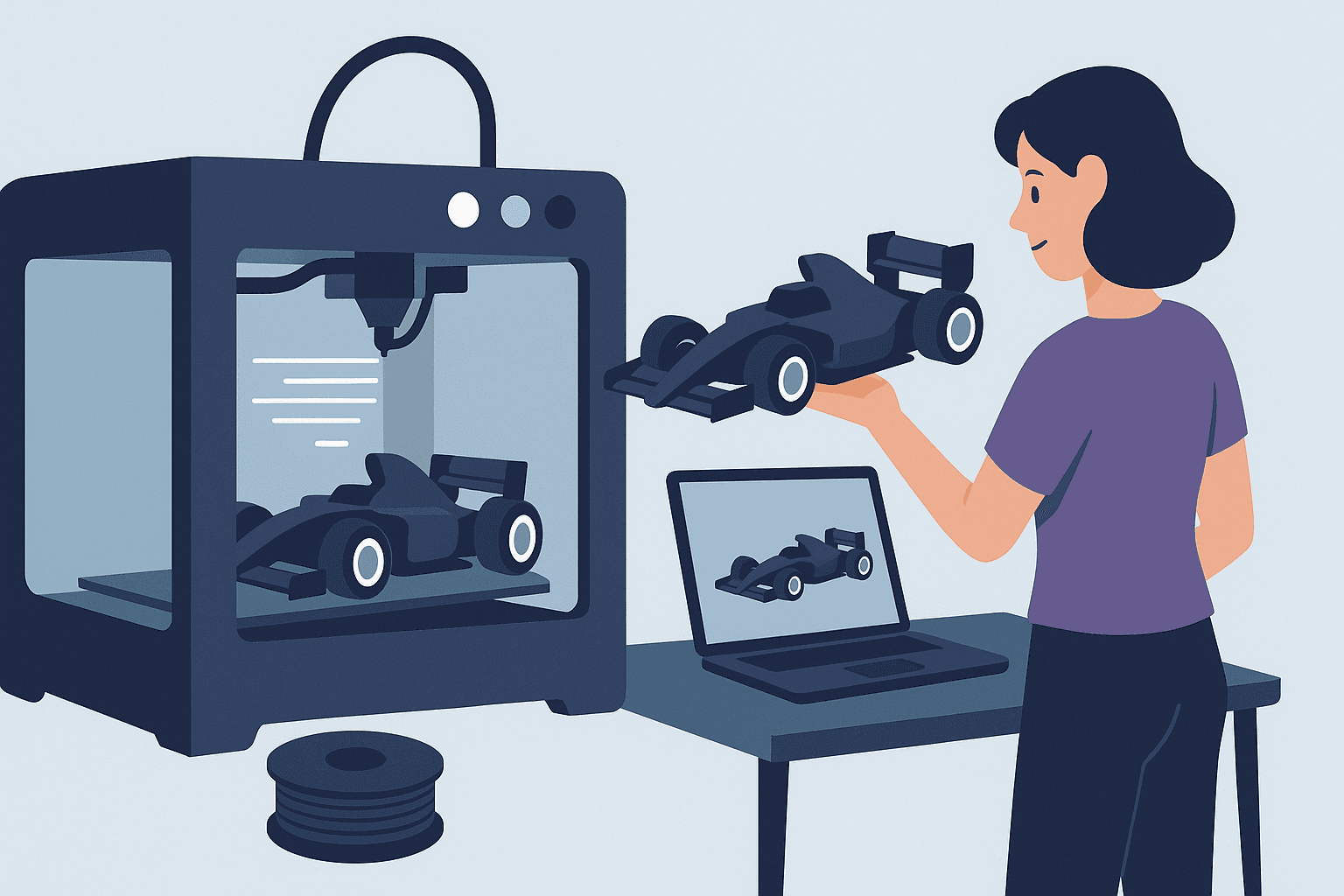
Discover how 3D printing is revolutionizing Formula 1 by enhancing design, reducing costs, and increasing team efficiency.
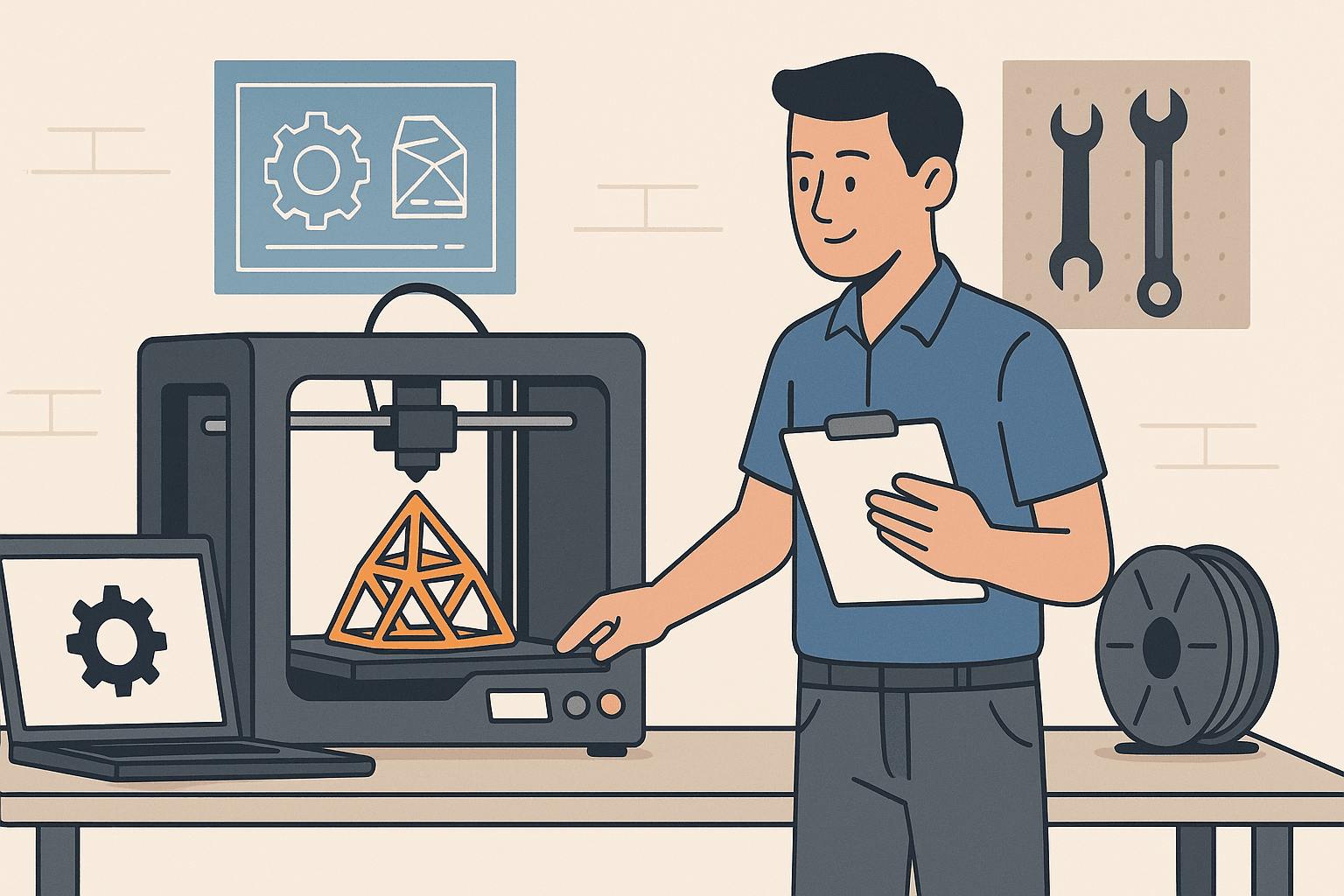
Discover how engineering and 3D printing are transforming design and production, offering innovative and customized solutions across various sectors.

Discover the key features of 3D printers and choose the ideal one for your project with our comparative table. Find out the differences now!