Applications of 3D Printing in Formula 1
Discover how 3D printing is revolutionizing Formula 1 by enhancing design, reducing costs, and increasing team efficiency.
Learn how to choose the ideal nozzle for your 3D printing needs, considering detail, speed, and material compatibility.
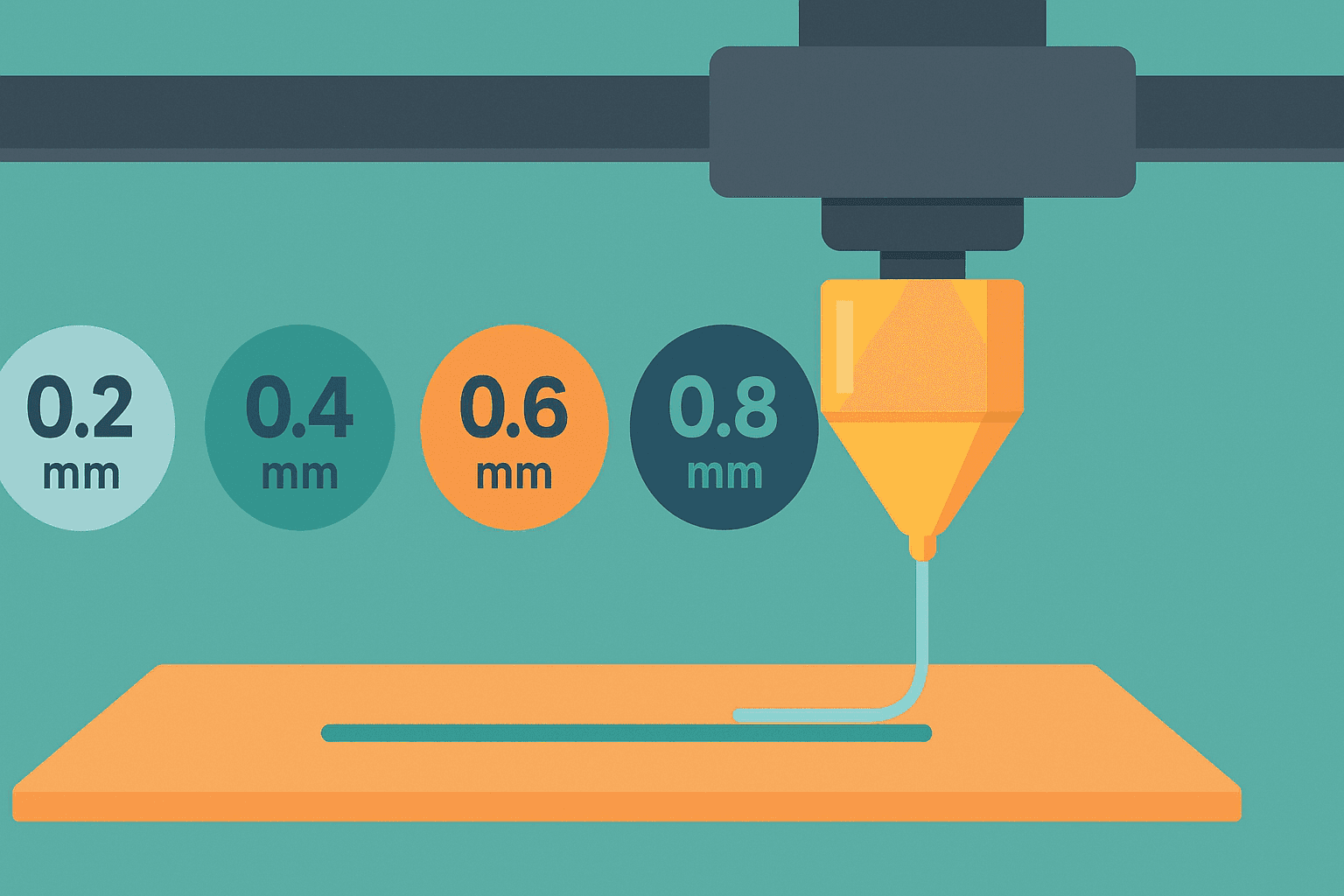
Choosing the right nozzle for your 3D printer is crucial for achieving the perfect balance between detail and printing speed. The nozzle diameter directly influences the precision of details and the sturdiness of printed parts. For instance, a 0.2 mm nozzle is ideal for projects that require high resolution and intricate details, such as miniatures or engineering parts with precise fittings. However, using such a small nozzle can significantly increase printing time and the likelihood of clogs, especially if the filament isn't properly cleaned or dried.
On the other hand, a 0.4 mm nozzle is considered the standard for most home 3D printers, offering a good balance between detail and speed. It's versatile enough for most projects, from functional prototypes to decorative items. If you need faster prints and aren't as concerned about detail precision, a 0.6 mm or 0.8 mm nozzle might be more suitable. These larger diameters allow for greater material flow, resulting in thicker layers and reduced printing times, but conversely, the resolution of details will be lower.
A common mistake is not considering the type of material when choosing the nozzle. Abrasive materials, such as carbon fiber or wood filaments, wear out brass nozzles quickly. In such cases, it's advisable to use hardened steel nozzles for increased durability. Additionally, it's important to adjust the temperature and printing speed according to the chosen nozzle diameter to avoid issues like under-extrusion or layer adhesion failures. Thus, the choice of nozzle diameter should be based on the specific needs of the project and material, ensuring quality and efficiency in printing.
The 0.2 mm nozzle is an excellent choice for prints that require high precision and fine details, such as in detailed miniatures, architectural models, or jewelry pieces. This nozzle can produce very thin layers, typically 0.1 mm or less, allowing it to capture details that larger nozzles simply cannot reproduce. For example, when printing a miniature of a game character, the 0.2 mm nozzle can accurately reproduce facial features, clothing textures, and other intricate details that are essential for the model's realism.
However, this precision comes with some drawbacks. The printing speed is considerably reduced, as the 0.2 mm nozzle extrudes less material per second compared to larger nozzles. This means that the total printing time can increase significantly, especially for larger parts. It's important to adjust the printer's speed settings to ensure consistent extrusion and to avoid under-extrusion, a common error when using smaller nozzles. Under-extrusion can result in incomplete or weak layers, compromising the quality of the final piece.
Another point to consider is maintenance. Smaller nozzles are more prone to clogs, especially if filaments with particles, such as wood or metal, are used. To avoid this problem, it's advisable to use high-quality filaments and perform regular cleanings of the nozzle. Additionally, correctly adjusting the printing temperature is crucial to avoid material flow issues. In summary, the 0.2 mm nozzle is ideal for work that prioritizes precision over speed, but it requires additional care to ensure high-quality results.
The 0.4 mm nozzle is widely accepted as the standard in most 3D printers due to its ability to provide a solid balance between detail resolution and printing speed. This size is ideal for those seeking a versatile solution capable of handling a wide range of materials and projects. With a 0.4 mm nozzle, it's possible to achieve good surface quality in prints with moderate detail, without sacrificing too much production time. For example, when printing a phone stand, the 0.4 mm nozzle allows for sufficient detail capture to ensure a precise fit while still maintaining a reasonable printing time.
A common mistake among beginners is trying to print extremely detailed models or very thin walls, expecting a finish quality comparable to smaller nozzles, like the 0.2 mm. This can lead to frustrations, as the 0.4 mm nozzle, while versatile, has its limitations in terms of extreme precision. To achieve better results, it's important to adjust the layer height and printing speed according to the material and complexity of the model.
Another point to consider is maintenance. With continuous use, the nozzle can wear out or clog, especially when using abrasive filaments. Therefore, it's essential to perform regular cleanings and replacements when necessary to maintain print quality. In summary, the 0.4 mm nozzle is a solid choice for most users, providing a good starting point to explore the world of 3D printing without excessive complications.
The 0.6 mm nozzle is a versatile choice for those seeking a balance between speed and print quality. With a larger diameter than the standard 0.4 mm nozzle, it allows more material to be extruded per layer, which reduces the total printing time. This is particularly useful in projects where time is a critical factor, such as in creating rapid prototypes or functional parts that do not require an extremely fine surface finish.
A practical example of using a 0.6 mm nozzle would be in the production of industrial supports or jigs. These parts typically do not require intricate details but need to be produced quickly to meet tight schedules. The 0.6 mm nozzle allows these parts to be printed efficiently while maintaining the necessary structural strength.
However, it's important to consider that using a 0.6 mm nozzle may not be ideal for parts that require high precision or fine details, such as miniatures or complex models. Additionally, when setting up the printer for a 0.6 mm nozzle, it's crucial to adjust the printing parameters, such as layer thickness and printing speed, to avoid issues like under-extrusion or poor layer adhesion. A common mistake is not recalibrating the first layer height, which can result in a weak base and compromise the overall quality of the piece. Therefore, when opting for a 0.6 mm nozzle, it's essential to properly adjust the printing settings to maximize benefits and minimize potential failures.
The 0.8 mm nozzle is an excellent choice for those looking to print large objects quickly and efficiently. Due to its larger diameter, it allows more material to be extruded in less time, significantly reducing the total printing time compared to smaller nozzles. This makes it ideal for projects where aesthetics and fine detailing are not the priority, but rather functionality and sturdiness.
A practical example of use is in printing structural parts or functional prototypes, such as supports or storage boxes, where mechanical strength is essential. Materials like Creality PETG Filament are particularly suitable for use with 0.8 mm nozzles, as they offer a good combination of flexibility and durability, as well as being impact-resistant and capable of withstanding high temperatures.
A common mistake when using 0.8 mm nozzles is not properly adjusting the printing settings, such as extrusion temperature and printing speed. Due to the larger volume of material extruded, it's crucial to increase the extrusion temperature to ensure that the filament melts and flows correctly, avoiding clogs. Additionally, adjusting the printing speed to a value that allows for smooth extrusion is key to preventing print failures.
Another point to consider is the calibration of layer height. With larger nozzles, it's possible to use greater layer heights, which can further speed up the printing process. However, it's important not to overdo it, as excessively thick layers can compromise layer adhesion, especially in parts subject to mechanical stress. Thus, finding a balance between speed and quality is essential to make the most of the advantages of the 0.8 mm nozzle.
When choosing the ideal nozzle for your 3D printer, it's essential to consider the type of material you plan to use. Materials like PLA and ABS are relatively friendly to brass nozzles, which are common and affordable. However, when it comes to abrasive materials, such as carbon fiber composites, wood filaments, or materials with metal particles, the choice of nozzle becomes crucial. These materials are known to wear out brass nozzles quickly due to their abrasiveness, which can result in low-quality prints and the need for frequent replacements.
To avoid this problem, it's recommended to use hardened steel or ruby nozzles, which are much more resistant to wear. For example, when printing with carbon fiber filament, using a brass nozzle can lead to significant wear in just a few hours of printing. A hardened steel nozzle, on the other hand, can last for months under the same conditions.
A common mistake is not adjusting the printing temperature when switching materials and nozzles. Abrasive materials may require different temperatures to ensure good adhesion and flow, and the same applies to the chosen nozzle. Another point to consider is the nozzle diameter; smaller nozzles, like the 0.2 mm, can clog more easily with composite materials, while larger nozzles, like the 0.6 mm or 0.8 mm, offer better flow, reducing the risk of clogging.
Therefore, when planning your printing project, carefully evaluate the material and type of nozzle. This will not only prolong the life of the nozzle but also ensure high-quality prints.
When choosing the ideal nozzle for your 3D printer, compatibility is a crucial factor that should not be overlooked. Each 3D printer has its own specifications, and not all nozzles available on the market are compatible with all models. For example, the Creality Ender-3 V3 KE is known for its versatility, allowing the use of nozzles of different diameters, such as 0.2 mm, 0.4 mm, 0.6 mm, and 0.8 mm. However, it is always important to consult the user manual or technical documentation provided by the manufacturer to ensure that the chosen nozzle does not compromise the printer's performance.
A practical example of compatibility can be observed in printers with specialized hotends, such as high-temperature ones. Some more sophisticated printers designed to work with technical materials like nylon or polycarbonate require nozzles made of more heat-resistant materials, such as hardened steel, instead of traditional brass. Using an inappropriate nozzle can not only result in low-quality prints but also damage the hotend or even the printer itself.
A common mistake among 3D printing enthusiasts is assuming that all nozzles are interchangeable between different models and brands of printers. For example, trying to install a nozzle designed for a Prusa printer on an Ender-3 without checking compatibility can lead to sealing issues, filament leaks, or even mechanical failures. Additionally, when changing the nozzle, it's essential to ensure that the new nozzle is tightened correctly and that the operating temperature is adjusted as necessary to avoid problems during printing. Therefore, always conduct thorough research and, if possible, consult the manufacturer's technical support to avoid unwanted surprises.
Keeping the nozzle of your 3D printer clean and in good condition is essential for ensuring the quality and precision of prints. Regular maintenance not only prolongs the life of the nozzle but also prevents failures during the printing process. One of the fundamental steps is regular cleaning of the nozzles to remove filament residues that can obstruct the passage. This can be done using specific cleaning needles for nozzles, which are fine, heat-resistant tools designed to unclog small debris.
A practical example of maintenance is using cleaning filaments, which are passed through the extruder at high temperature to remove internal impurities. This practice is especially useful when switching between filaments with different compositions, such as from PLA to ABS, which have different melting temperatures and can leave residues that affect print quality.
A common mistake is neglecting to replace the nozzle when it shows signs of wear, such as an increase in hole diameter or deformations. This can result in prints with uneven layers or structural failures. Having a set of replacement nozzles, such as the Kit 10 Nozzle MK8 (2-8mm), is a practical solution to ensure that you always have an appropriate nozzle on hand when a replacement is needed.
An extreme case to avoid is complete clogging of the nozzle, which can occur if filaments with metal or wood particles are used without proper cleaning. In such cases, the nozzle may need to be heated to a higher temperature to facilitate the removal of the obstructed material or even discarded if damaged. Maintaining a maintenance and replacement schedule helps prevent these issues and ensures consistently high-quality prints.
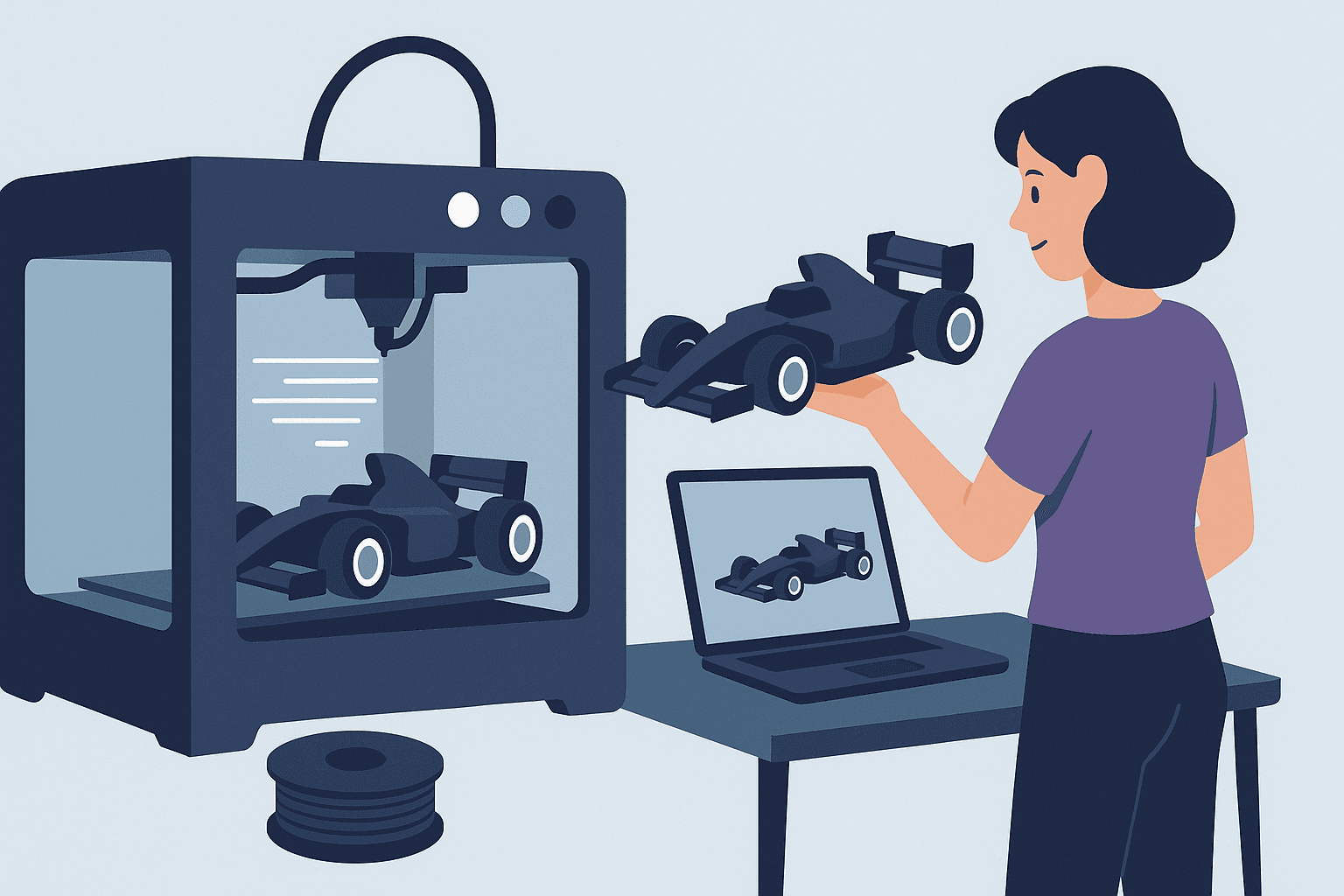
Discover how 3D printing is revolutionizing Formula 1 by enhancing design, reducing costs, and increasing team efficiency.
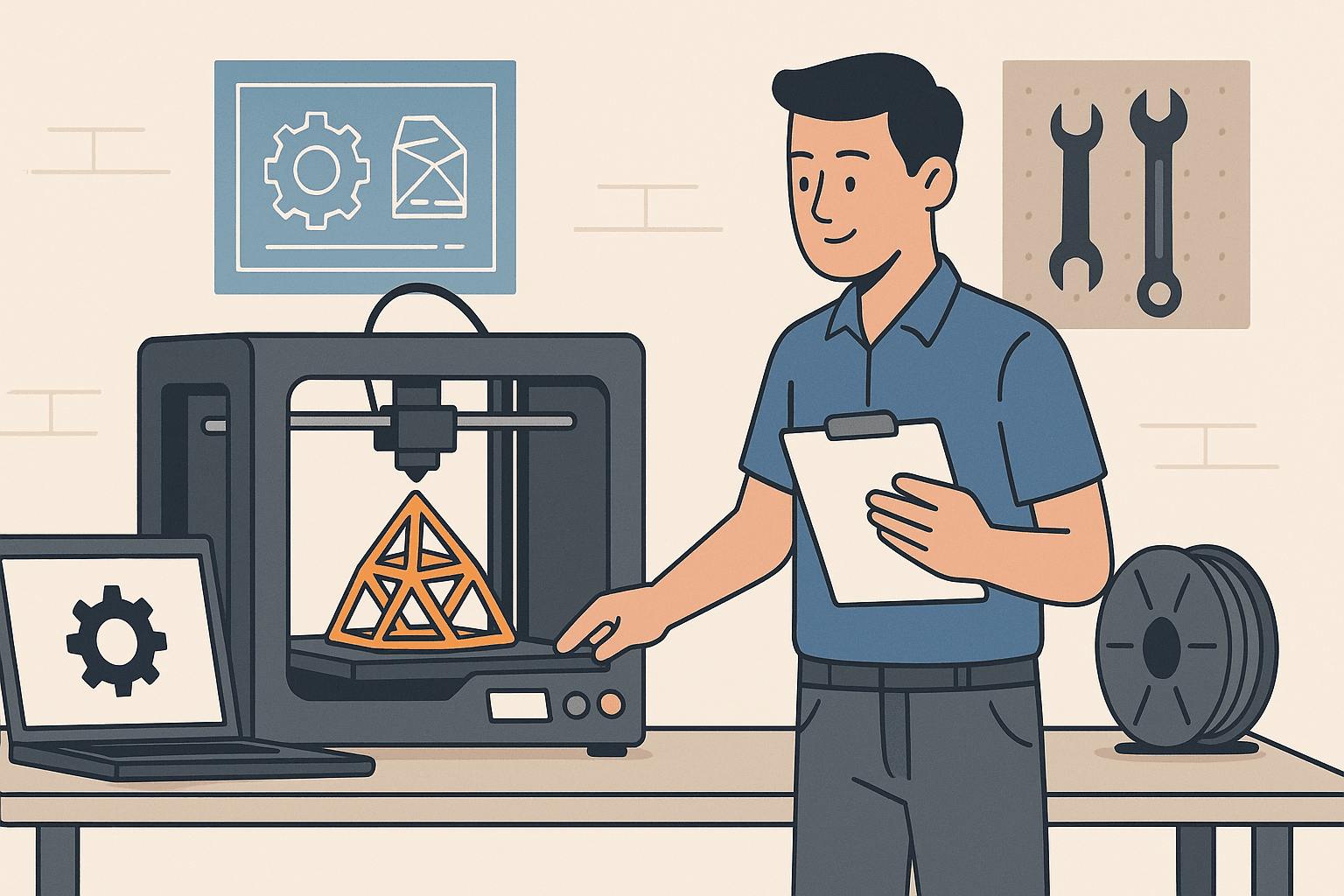
Discover how engineering and 3D printing are transforming design and production, offering innovative and customized solutions across various sectors.

Discover the key features of 3D printers and choose the ideal one for your project with our comparative table. Find out the differences now!