Applications of 3D Printing in Formula 1
Discover how 3D printing is revolutionizing Formula 1 by enhancing design, reducing costs, and increasing team efficiency.
Discover how artificial intelligence is revolutionizing 3D printing in 2026, enhancing design, efficiency, customization, and more.
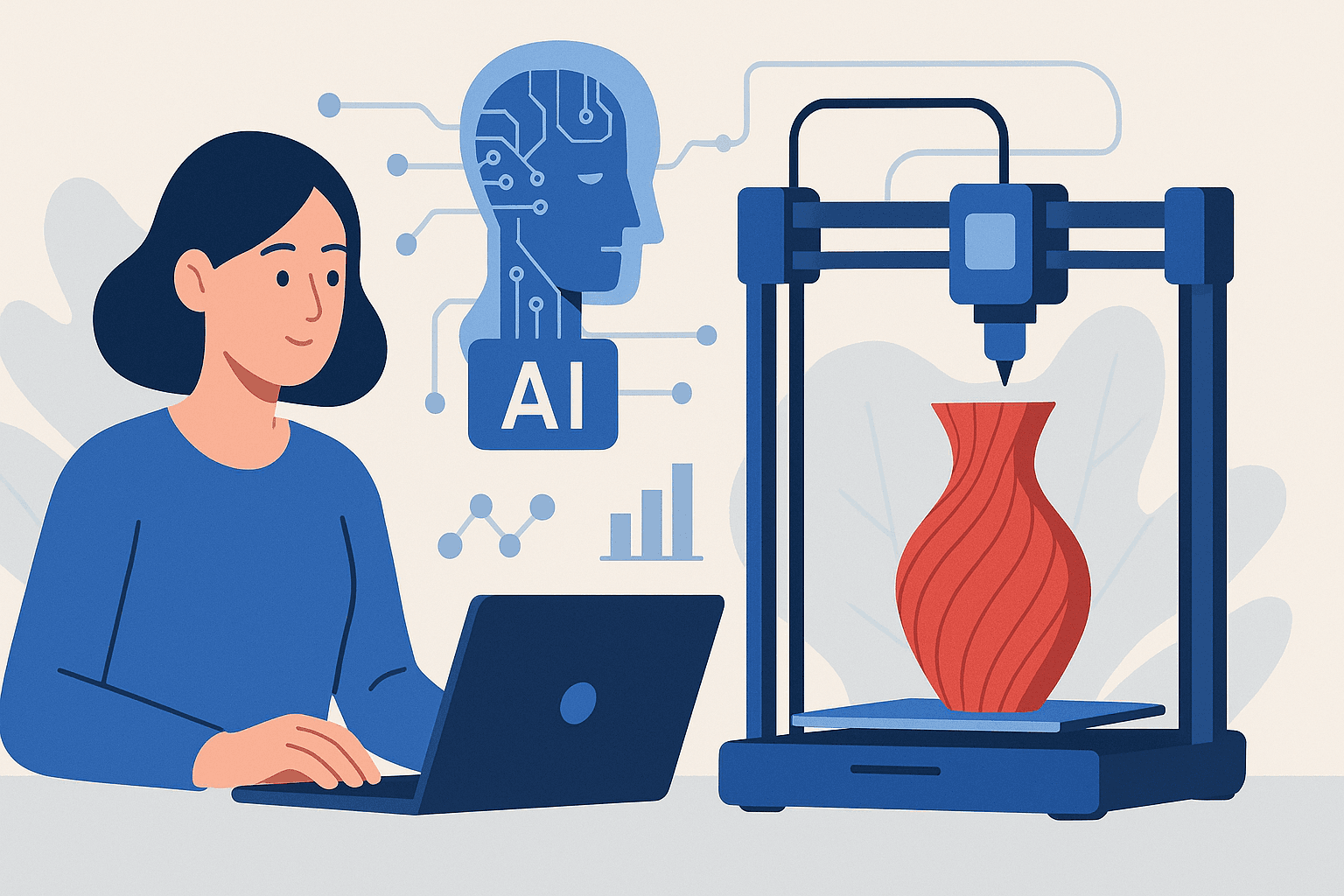
Artificial intelligence is revolutionizing the design of 3D models in ways that were previously unimaginable. By utilizing machine learning algorithms, AI-assisted design software can analyze vast amounts of data to suggest both structural and aesthetic improvements. For instance, when creating a support piece for a drone, AI can propose changes in geometry that maximize strength while minimizing weight and material consumption, resulting in a more efficient and sustainable design. Additionally, these systems can predict potential failures, allowing designers to make adjustments even before starting the print.
A practical example of this technology is Airbus, which uses algorithms to optimize aircraft components, reducing weight and consequently fuel consumption. This type of application not only accelerates the creation process but also opens doors for mass customization. Products can be tailored to meet individual customer specifications without compromising large-scale production efficiency.
However, the use of AI in 3D design is not without challenges. A common mistake is the excessive reliance on automatic suggestions without considering the context or practical limitations of the final product. For example, an AI-generated design may be optimized for strength but overlook aspects like ease of assembly or production cost. Thus, it is crucial for designers to maintain a balance between automation and human oversight, ensuring that the final product meets all necessary criteria for its intended use.
Optimizing prints using Artificial Intelligence (AI) is revolutionizing how we approach additive manufacturing. By utilizing machine learning algorithms, 3D printers can automatically adjust critical parameters such as temperature, extrusion speed, and material flow during the printing process. This is achieved by analyzing real-time data from integrated sensors in the machine, which monitor variables like filament tension and layer deposition consistency. A practical example of this technology is the Bambu Lab A1 + AMS Lite printer, which uses AI to detect and correct common issues like warping and delamination by dynamically adjusting the print bed temperature and material cooling speed.
A typical scenario where AI makes a difference is in printing complex parts with intricate geometries, such as lightweight structure supports or components with fine details. In these situations, AI can predict potential failure points, adjusting fill density or adding temporary supports to ensure the structural integrity of the finished piece. A common mistake users make is manually setting inappropriate parameters for specific materials, such as PLA or ABS, without considering batch variations or environmental conditions. AI eliminates this uncertainty by adapting print settings based on historical data and current operating conditions, resulting in less material waste and higher-quality prints. This self-adjusting capability not only saves time but also allows manufacturers to focus more on design and innovation rather than tedious technical adjustments.
Smart preventive maintenance in 3D printers is revolutionizing how we handle the durability and efficiency of these machines. With the integration of advanced sensors and artificial intelligence algorithms, 3D printers can continuously monitor their own operational state. For example, temperature and vibration sensors can detect anomalies in printer behavior, such as overheating or excessive movements indicating component wear. This data is then analyzed by AI algorithms that predict potential failures before they occur, allowing for preventive interventions.
A practical example is the Creality Ender-3 V3 KE model, which comes equipped with a real-time monitoring system. This system can alert users about the need for lubrication of axes or replacement of nozzles based on usage and environmental conditions. Additionally, AI can automatically adjust print parameters to compensate for minor variations in the machine, ensuring consistent quality.
A common mistake many users face is ignoring preventive maintenance alerts, believing the printer is still operating normally. This can lead to unexpected downtime or reduced print quality over time. Another frequent issue is improper calibration of sensors, which can generate false alerts or undetected failures. Therefore, it is important to follow the manufacturer's recommendations for calibration and regular maintenance, ensuring that AI can operate accurately. With these practices, smart preventive maintenance technology not only improves operational efficiency but also extends the lifespan of 3D printers, making them even more reliable tools for creators and manufacturers.
Artificial intelligence (AI) is revolutionizing the way we interact with 3D printers, bringing an unprecedented level of automation and remote control. Thanks to advanced AI algorithms, users can now monitor and adjust their 3D printers from anywhere in the world using devices like smartphones or computers. This is done through software platforms that connect directly to the printers, allowing real-time adjustments to print settings such as nozzle temperature, print speed, and type of material used.
A concrete example of this transformation is the use of cloud-based systems that integrate AI to predict and resolve issues before they occur. For instance, if a sensor detects a potential failure, such as a clog in the print nozzle, the system can immediately alert the user and even pause the print to avoid material waste.
However, automation and remote control are not without challenges. A common mistake many users face is improperly configuring remote access permissions, which can lead to security issues. It is crucial to ensure that only authorized users can access and control the printers, implementing security measures such as two-factor authentication.
For those managing multiple printers, these technologies are particularly advantageous. They allow for centralized control and resource optimization, maximizing efficiency and minimizing downtime. With AI, 3D printing becomes not only more efficient but also more accessible, enabling users to focus on innovation and design while the technology handles operational details.
Mass customization in 3D printing is being revolutionized by Artificial Intelligence, which uses advanced algorithms to analyze large volumes of user data. This analysis enables the creation of products that are fully tailored to individual preferences and needs, transforming the way consumer goods are produced. For example, in the fashion sector, AI can process data on body measurements and aesthetic preferences to generate clothing designs that fit the user's body perfectly, eliminating the need for later adjustments. Additionally, AI can predict fashion trends based on social media data and purchasing behavior, allowing designers to create pieces that not only meet consumer expectations but also anticipate future demands.
In the healthcare sector, mass customization is even more critical. With the help of AI, it is possible to create prosthetics and orthotics that are perfectly fitted to each patient's unique anatomy, significantly improving comfort and treatment effectiveness. A real-world example is the creation of custom dental implants, where AI analyzes CT scan images to design implants that fit seamlessly into the patient's bone structure.
However, a common mistake companies face when implementing mass customization is underestimating the complexity of integrating AI systems with their design and 3D printing platforms. Without proper integration, data may not be utilized efficiently, resulting in products that do not fully meet customer expectations. Therefore, it is essential for companies to invest in robust IT infrastructure and specialized training to maximize the benefits of mass customization through AI.
The integration of 3D scanners with artificial intelligence is revolutionizing the process of capturing physical objects for the digital world. A practical example is the Creality Raptor X scanner, which uses AI algorithms to optimize scanning accuracy, correcting distortions and common noise in challenging scanning environments. The use of AI allows the scanner to automatically adjust capture parameters, such as resolution and exposure, based on lighting conditions and the object's material. This results in high-fidelity digital models that are ready to be used directly in 3D printing without the need for extensive manual refinements.
A concrete example of this application is scanning complex sculptures, where fine details and textures are essential for faithful reproduction. With AI, the Raptor X can identify and preserve these details, avoiding the loss of information that often occurs in conventional scanners. However, a common mistake when using this technology is failing to calibrate the scanner correctly before starting the process. This can lead to inaccurate scans, even with the help of AI. It is crucial to follow calibration instructions and ensure that the scanner is set up for the specific type of object to be captured.
Additionally, integration with AI-assisted modeling software can suggest improvements or corrections to the digitized models, helping to identify areas that can be optimized for 3D printing, such as structural reinforcements or thickness adjustments. This synergy between hardware and software is making 3D printing more accessible and efficient, allowing creators and engineers to produce high-quality parts with less effort and time.
Artificial Intelligence is revolutionizing the development of smart materials for 3D printing, allowing their properties to be optimized for specific and challenging applications. A notable example is the use of AI algorithms to create filament compositions that enhance heat resistance, flexibility, and durability without compromising print quality. For instance, the Creality PETG Filament (black, 4kg) is designed to offer a balanced combination of rigidity and elasticity, ideal for parts that need to withstand adverse environmental conditions.
A concrete case is the manufacturing of components for the automotive industry, where heat resistance and durability are crucial. AI helps adjust the PETG formula by incorporating additives that increase thermal resistance, allowing printed parts to withstand high temperatures within engines or exhaust systems. Additionally, AI can predict how different material compositions will behave under stress, helping engineers avoid common failures like cracking or warping.
A common mistake when working with smart materials is underestimating the importance of properly calibrating the 3D printer for the new filament. Even with AI-optimized material, inappropriate temperature and speed settings can result in low-quality prints. Therefore, it is essential to adjust print parameters according to the manufacturer's specific recommendations and conduct preliminary tests to ensure the material meets expectations. This approach ensures that the innovations provided by AI are fully leveraged, resulting in high-quality final products.
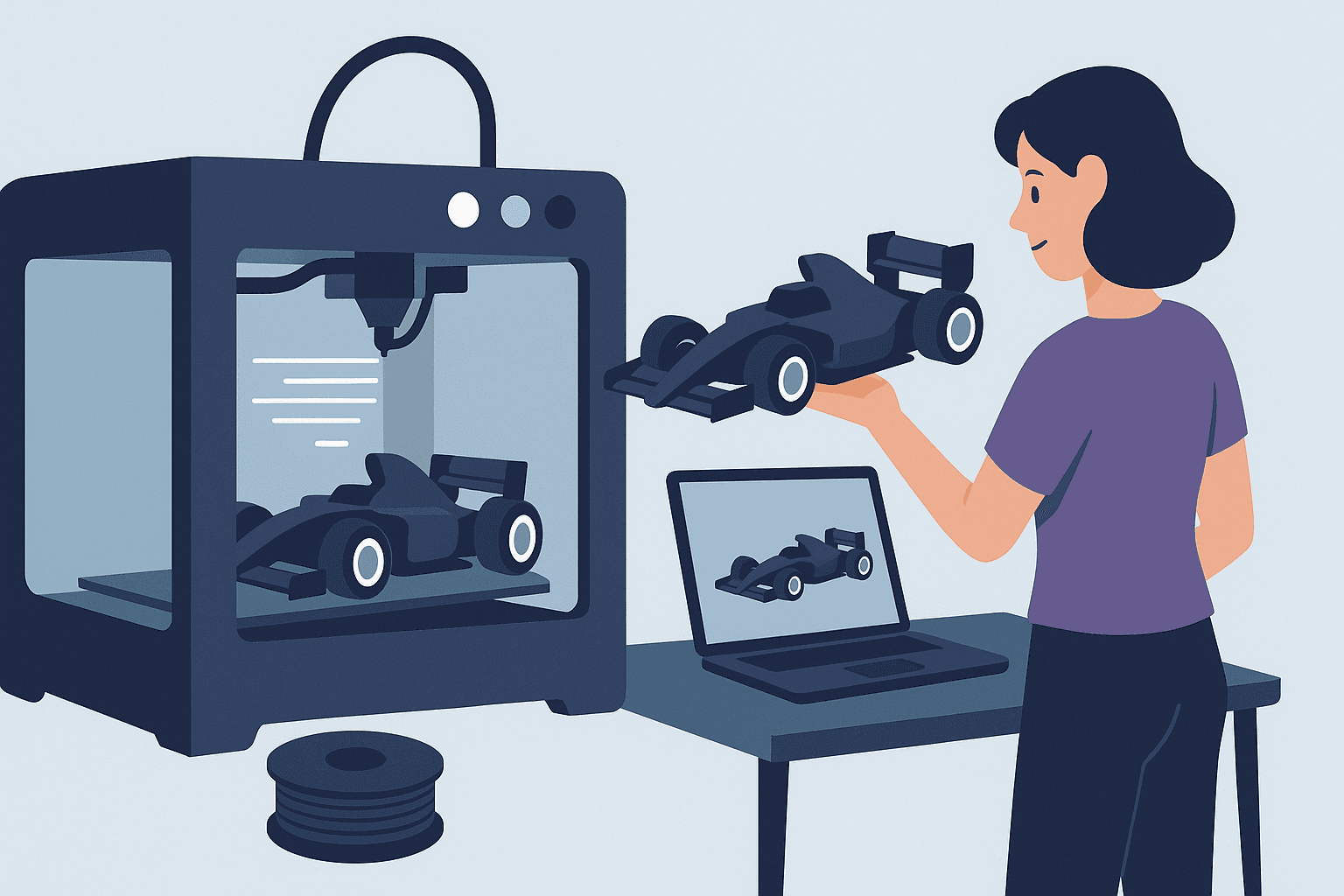
Discover how 3D printing is revolutionizing Formula 1 by enhancing design, reducing costs, and increasing team efficiency.
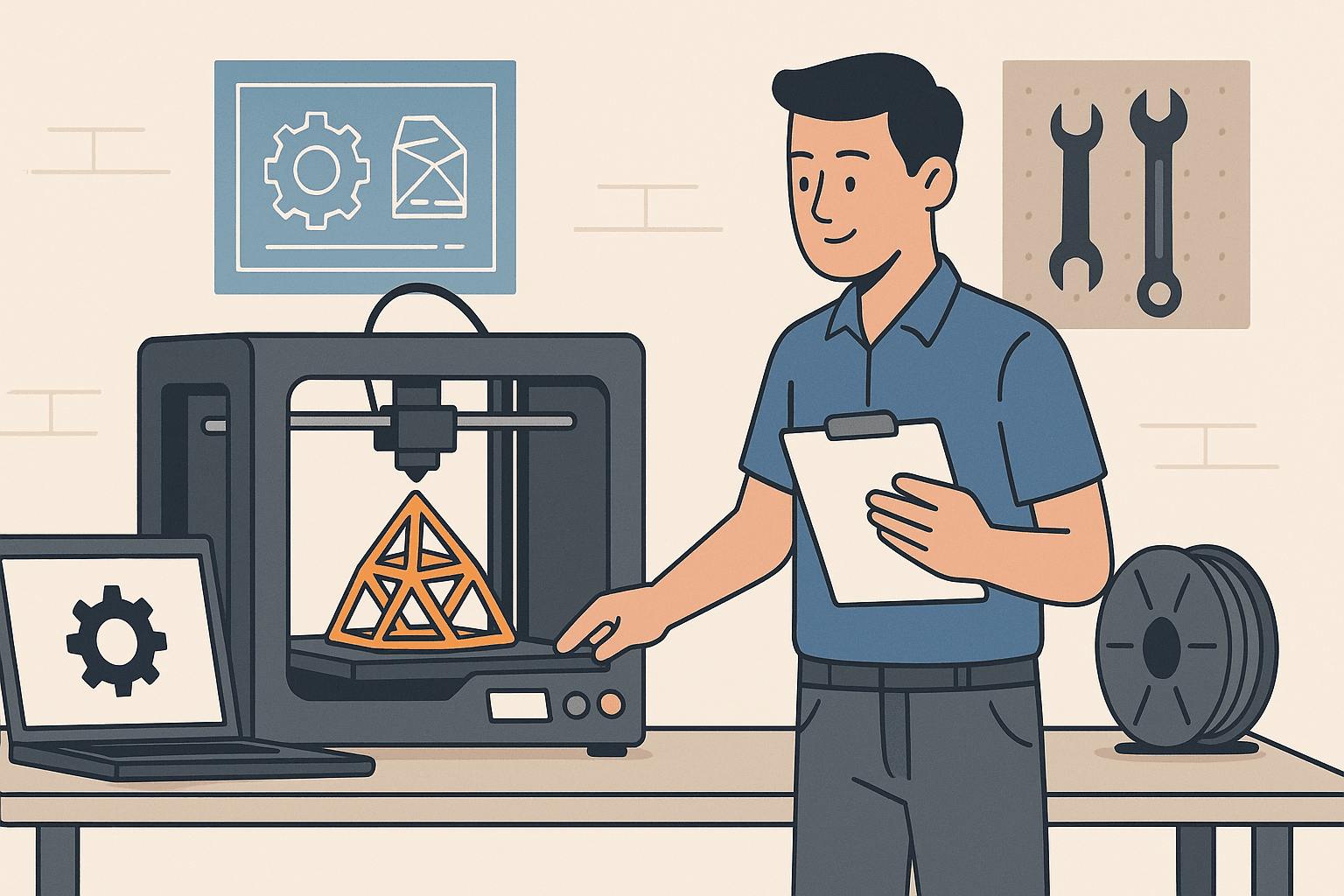
Discover how engineering and 3D printing are transforming design and production, offering innovative and customized solutions across various sectors.
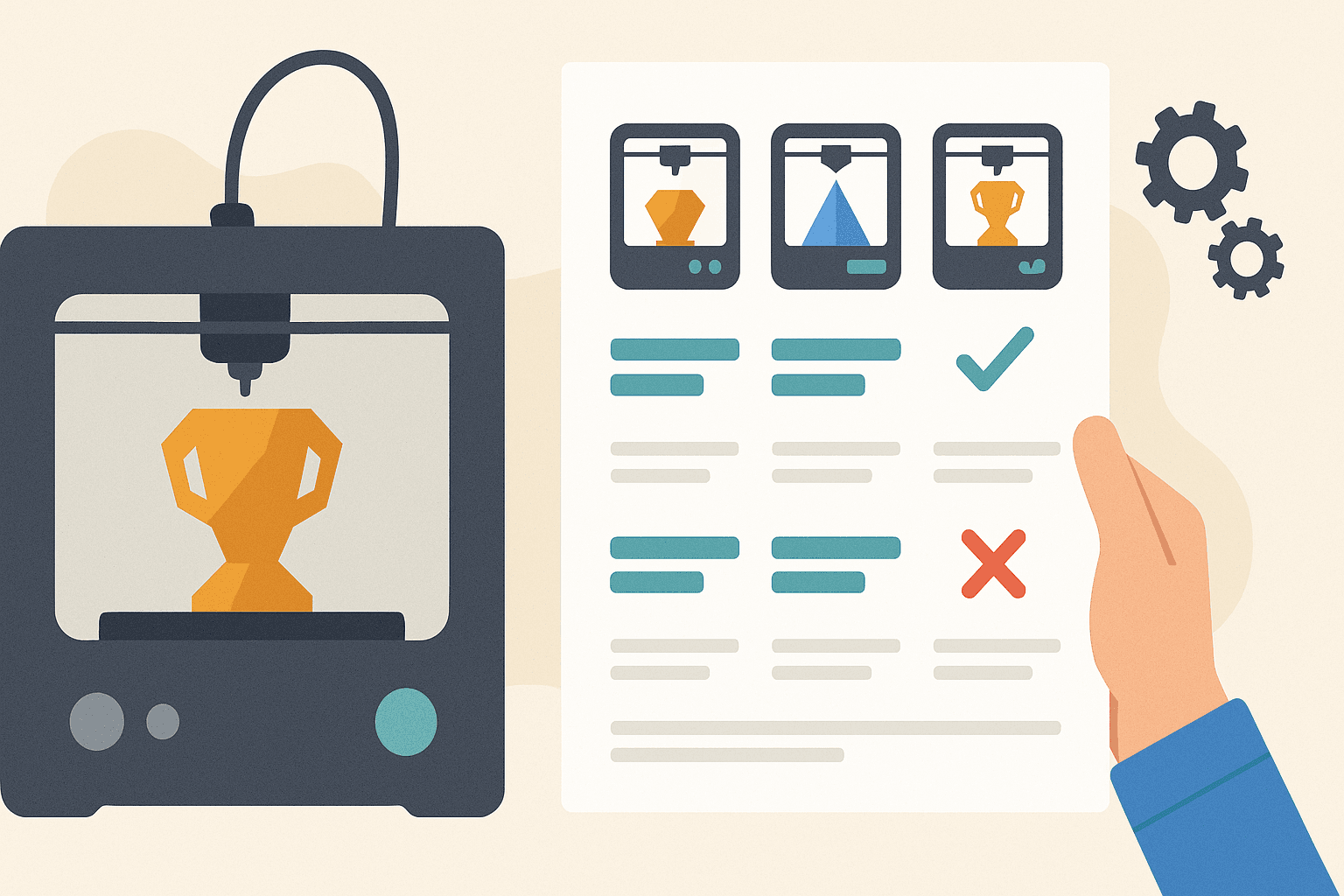
Discover the key features of 3D printers and choose the ideal one for your project with our comparative table. Find out the differences now!