Applications of 3D Printing in Formula 1
Discover how 3D printing is revolutionizing Formula 1 by enhancing design, reducing costs, and increasing team efficiency.
Explore whether the Bambu Lab A1 is still a good choice in 2026 by analyzing its cost-effectiveness, target audience, and price in Brazil.
The Bambu Lab A1 has made a name for itself in the 3D printing market due to its blend of advanced features and operational simplicity, making it a popular choice among makers and 3D printing enthusiasts. One of the standout features is its automatic calibration system, which allows for precise leveling of the print bed. This not only reduces preparation time but also minimizes common errors associated with manual leveling, such as poor adhesion of the first layer.
Additionally, the A1 is equipped with a high-precision extruder capable of working with a variety of materials, from PLA and ABS to more advanced filaments like PETG and TPU. This versatility is crucial for makers looking to experiment with different types of projects, from functional prototypes to detailed decorative pieces. A practical example of its application is in creating custom spare parts for appliances, where precision and durability are essential.
However, despite its advantages, the A1 is not without challenges. A common mistake among new users is underestimating the importance of temperature and print speed settings for each type of filament. This can result in poor-quality prints or even complete failures. Therefore, it is vital for users to consult the manufacturer's guidelines and conduct preliminary tests to adjust settings according to their specific needs.
In 2026, the relevance of the Bambu Lab A1 will depend on how it adapts to technological innovations and the evolving needs of users. Still, its solid foundation of features and active support community make it a contender for those seeking a reliable and versatile 3D printer.
The Bambu Lab A1 stands out in the 3D printer market for its advanced technology and features that cater to both beginners and more experienced users. One of its main attractions is the auto-leveling system, which eliminates the need for constant manual adjustments, ensuring a consistently accurate print base. This is especially useful for those just starting out who may not have experience with manual leveling, a process that can be frustrating and time-consuming.
Moreover, the support for multiple materials with the AMS Lite is a feature that significantly expands creative possibilities. With it, users can switch between different types of filaments, such as PLA, ABS, PETG, and even flexible filaments, without the need to manually change spools. A practical example is creating parts that require different mechanical or aesthetic properties in a single print, like a phone case that combines rigidity and flexibility in different areas.
However, it’s important to pay attention to one detail: improper use of the filament swapping system can lead to clogs. A common mistake is not properly adjusting the temperature for each type of material, which can cause extrusion issues. Therefore, it is essential to follow the manufacturer's recommendations for each type of filament used.
In summary, the Bambu Lab A1 offers a combination of advanced technology and ease of use, making it an excellent choice for those looking to explore the world of 3D printing efficiently and creatively, as long as basic precautions are followed to avoid setbacks.
The Bambu Lab A1 remains a solid choice for 3D printing enthusiasts and professionals due to its robust performance and superior print quality. The heart of its success lies in its Cartesian motion system, which provides exceptional stability during the printing process. This significantly reduces vibrations, a critical factor for maintaining precision in complex and detailed prints.
A practical example of its capability is printing functional mechanical parts, such as gears or custom supports. The Bambu Lab A1 can produce these parts with tight tolerances, essential for a perfect fit and smooth operation. This is made possible by using high-quality nozzles that ensure consistent extrusion, minimizing the risk of common failures like clogs or variations in layer thickness.
A frequent mistake made by users, especially beginners, is not properly calibrating the print bed before starting a project. Even with the automatic leveling technology present in the Bambu Lab A1, it is crucial to manually check that the surface is properly adjusted. A poorly calibrated bed can result in misaligned first layers, compromising adhesion and the final quality of the piece.
Additionally, the choice of material also directly impacts quality. The Bambu Lab A1 handles common filaments like PLA and PETG well, but when working with more demanding materials like ABS or TPU, fine adjustments in temperature and speed may be necessary to avoid issues like warping or stringing. With the correct setup, the printer delivers results that rival more expensive and recent models, making it an attractive option in 2026.
Comparing the Bambu Lab A1 with other popular models like the Elegoo Neptune 4 and the Creality K1C reveals important nuances for different user profiles. The Bambu Lab A1 is often praised for its ease of use, which is particularly appealing for beginners looking to minimize the learning curve. Its intuitive software and simplified initial setup allow new users to start printing quickly, without the need for complex adjustments. Additionally, Bambu Lab's technical support is known for being responsive and effective, which can be a decisive factor for those who value good post-sale service.
On the other hand, models like the Elegoo Neptune 4 and the Creality K1C may offer better cost-effectiveness for users who already have some experience with 3D printing. The Elegoo Neptune 4, for example, is known for its robustness and ability to print with a wider variety of materials, which can be an advantage for makers looking to experiment with different filaments. The Creality K1C, in turn, stands out for its active user community, which shares modifications and solutions to optimize printer performance.
A common mistake many beginners make when choosing a 3D printer is underestimating the importance of technical support and ease of use, opting for cheaper models that may require more technical knowledge to operate correctly. In this aspect, the Bambu Lab A1 excels, as it offers a more user-friendly experience without sacrificing print quality. However, for those already familiar with adjustments and maintenance, competing models may provide greater flexibility and customization potential, making them a more economical choice in the long run.
The price of the Bambu Lab A1 in Brazil can vary depending on factors such as exchange rates, import taxes, and the presence of local resellers. However, it is generally considered competitive when taking into account the advanced features the printer offers. The Bambu Lab A1 is known for its high precision and reliability, characteristics that make it an attractive choice for makers and professionals looking to print complex models with fine details.
A practical example is using the Bambu Lab A1 to print engineering prototypes that require high dimensional accuracy. With features like automatic bed leveling and precise Z-axis calibration, the printer ensures that the first layers are deposited correctly, minimizing the risk of failures. Additionally, integration with the AMS 2 Pro system allows for automatic filament swapping, enabling multicolor or different material prints without interruptions.
When considering purchasing the Bambu Lab A1, it’s important to be aware of some common pitfalls. A frequent mistake is underestimating the additional costs associated with upgrades and accessories. For instance, acquiring the AMS 2 Pro can be a significant investment, but it is essential for those planning to perform complex prints regularly. Moreover, the availability of replacement parts and local technical support may vary, making it crucial to choose a reliable supplier.
Researching and comparing different offers can help find the best deal. Always check the seller's reputation and be aware of warranty and return policies. This way, you ensure not only a good price but also adequate support should any post-purchase issues arise.
The Bambu Lab A1 is particularly suited for makers who value both simplicity and the ability to expand their 3D printing skills. With an intuitive design and user-friendly control panel, it is perfect for those just starting out but who don’t want to be limited to basic projects. For example, its ability to handle filaments of different materials, such as PLA, ABS, and PETG, allows users to experiment with a variety of textures and strengths, broadening the scope of possible projects.
For more experienced makers, the Bambu Lab A1 stands out for its automatic calibration system, which reduces preparation time and minimizes common errors, such as poor adhesion of the first layer. This is crucial for projects that require high precision, such as creating functional parts or complex prototypes. Imagine, for instance, a hobbyist developing custom components for a drone: the precision and reliability of the A1 ensure that the pieces fit perfectly, without the need for extensive manual adjustments.
A common mistake many makers face, especially when working with lower-quality printers, is clogging of the extruder nozzle. The Bambu Lab A1 addresses this issue with an efficient cooling system and an easy-to-maintain extruder, significantly reducing downtime. This is particularly useful for those working on projects that require long printing sessions, where consistency and quality are essential.
In summary, the Bambu Lab A1 is a solid choice for any maker looking for a versatile and reliable printer, offering both the simplicity needed for beginners and the advanced features for more ambitious projects.
When considering the Bambu Lab A1, it’s important to explore alternatives and compatible products that can optimize your 3D printing experience. One option to consider is the Bambu Lab P1S, which not only offers improvements in print accuracy but also in speed and ease of use. The P1S comes equipped with a more advanced automatic leveling system, which reduces initial setup time and minimizes common errors, such as poor adhesion of the first layer, which is crucial for the success of any print.
In addition to the hardware itself, investing in accessories can make a significant difference. One example is the YOOPAI PEI sheet, which is a build surface that enhances filament adhesion during printing and makes it easier to remove the object after completion. Using a PEI sheet is particularly beneficial for tricky filaments like ABS, which can warp if adhesion is not perfect. However, a common mistake when using PEI surfaces is applying additional adhesives or sprays, which can damage the sheet and compromise its effectiveness.
Another aspect to consider is the printing materials. The Bambu Lab A1 is compatible with a wide range of filaments, but for projects requiring greater mechanical strength, such as functional parts or industrial prototypes, using composite filaments like carbon fiber reinforced nylon can be a smart choice. However, it’s essential to ensure that the extrusion nozzle is compatible with abrasive materials to avoid premature wear.
In summary, by exploring alternatives and compatible products, you can not only improve the quality of your prints but also expand the possibilities of what can be created with the Bambu Lab A1.
The Bambu Lab A1 continues to be a solid choice in 2026, especially for enthusiasts and professionals who value precision and durability in their 3D prints. The model stands out for its ability to print with a wide range of materials, including PLA, ABS, and even more exotic composites like carbon fiber reinforced nylon. This versatility is supported by a robust extrusion system that minimizes clogs and print failures, a common problem in lower-quality printers.
A practical example of its application is in prototyping functional parts for engineering. A designer can use the A1 to create prototypes of complex mechanical parts that require high strength and tight tolerances. Thanks to its automatic calibration system and heated print chamber, the A1 maintains dimensional stability even in prolonged prints, ensuring that the final pieces meet the rigorous specifications required for functional testing.
However, a common mistake among users is underestimating the importance of correctly setting print parameters. Even with the advanced technology of the A1, inadequate settings can result in failures, such as warping or delamination in more demanding materials. Therefore, it is crucial to invest time in learning the ideal adjustments for each material and project. The growing community of Bambu Lab users offers valuable support, with forums and discussion groups sharing optimized print profiles and practical tips, helping both beginners and veterans get the most out of their machines. In summary, the Bambu Lab A1 remains a printer that combines innovation with reliability, serving well both passionate amateurs and demanding professionals.
Yes, the Bambu Lab A1 continues to offer a solid combination of features and ease of use, making it a viable choice for many.
The price may vary, but it is competitive considering the features offered. It is recommended to research to find the best deal.
It is ideal for experienced makers who want flexibility and reliability in complex projects.
Alternatives include the Bambu Lab P1S and the Elegoo Neptune 4, which offer different features and cost-effectiveness.
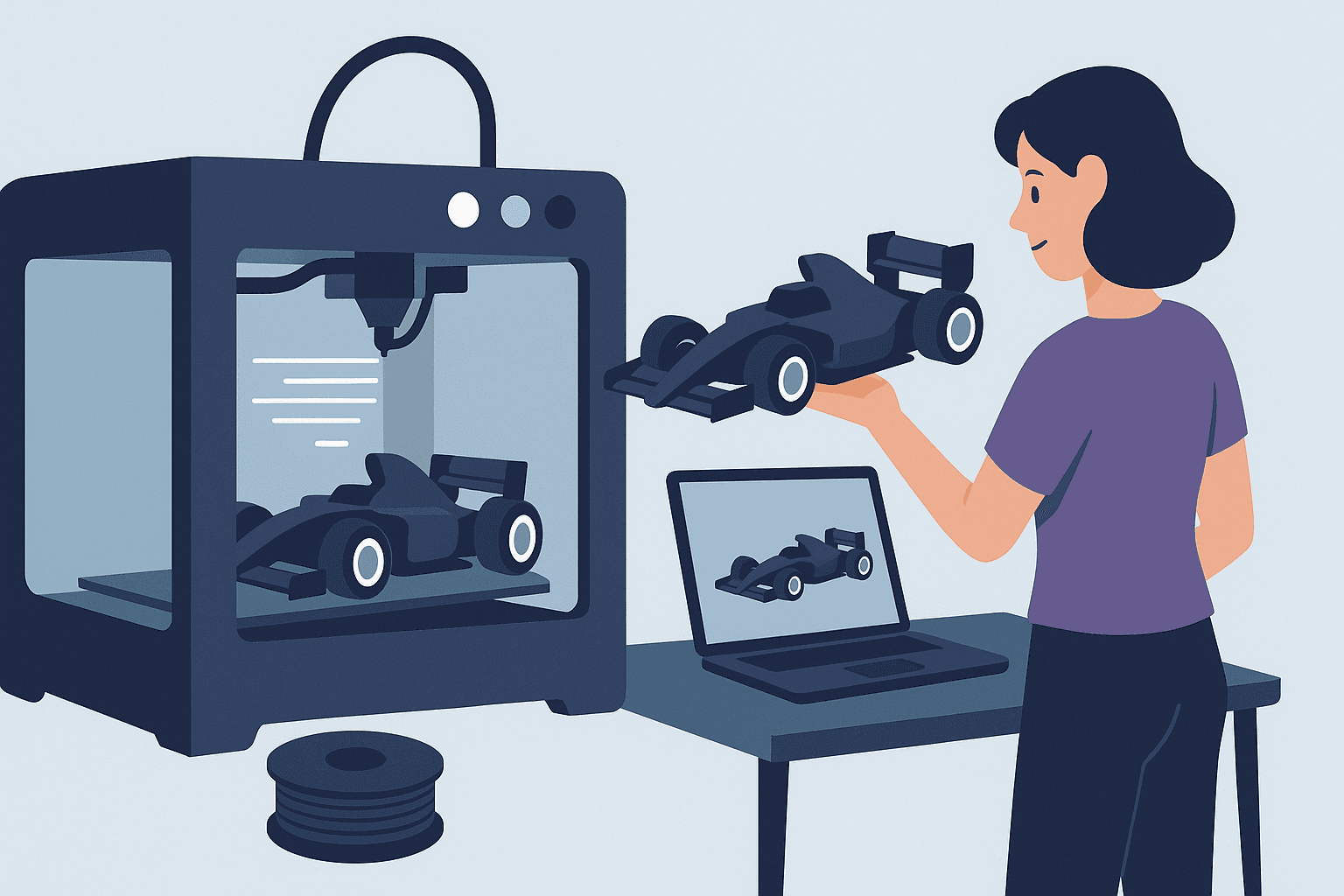
Discover how 3D printing is revolutionizing Formula 1 by enhancing design, reducing costs, and increasing team efficiency.
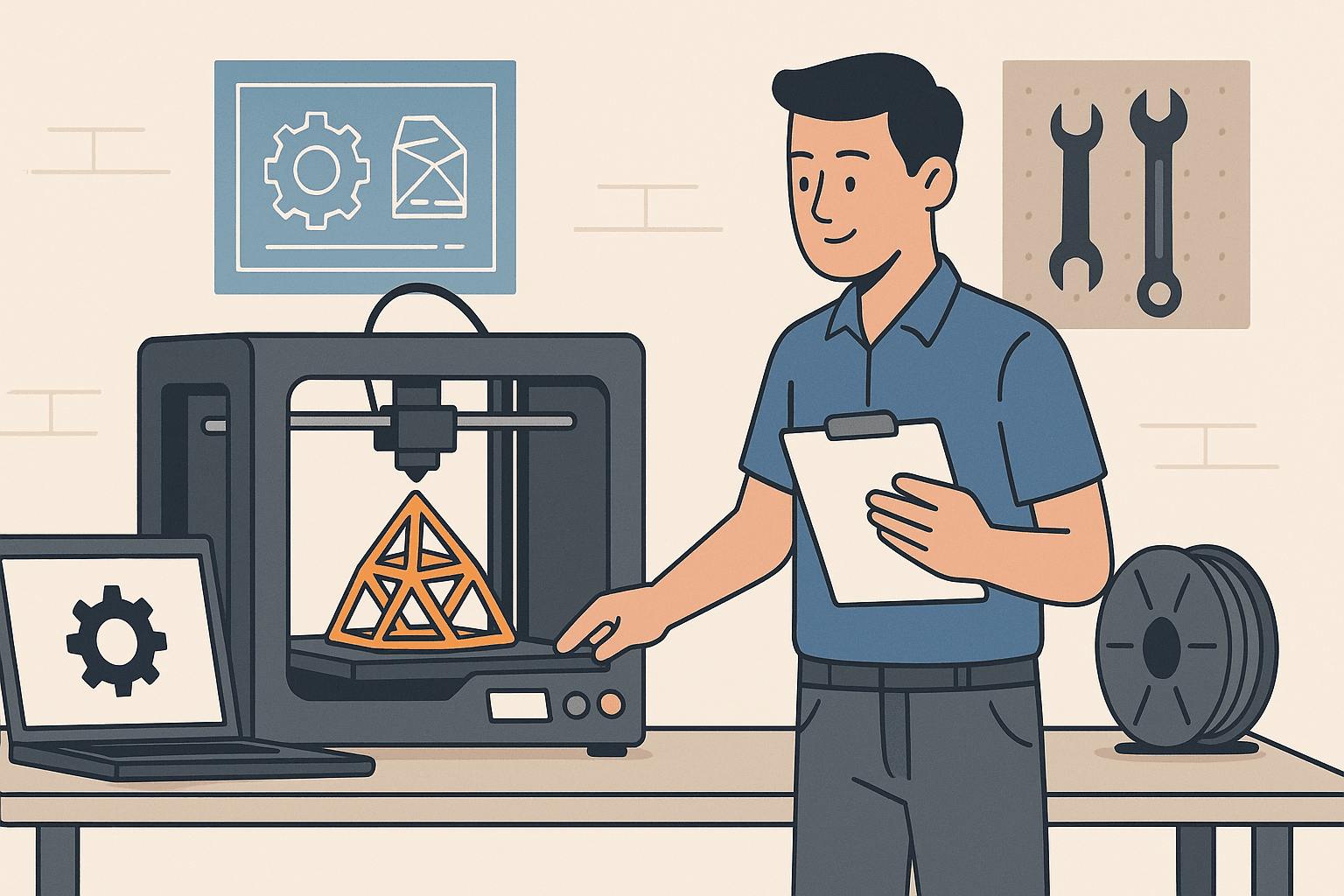
Discover how engineering and 3D printing are transforming design and production, offering innovative and customized solutions across various sectors.

Discover the key features of 3D printers and choose the ideal one for your project with our comparative table. Find out the differences now!