It's the first question anyone thinking about buying asks: how much does a 3D printer that actually works well cost? The honest answer is "it depends what you want to do with it" — but the real price tiers are worth spelling out.
Entry tier: budget printers
Here you'll find open-frame printers, great for learning and printing functional parts without any luxury. The Creality Ender 3 V3 is the classic value pick, and the auto-leveling, AI-assisted version, the Ender-3 V3 KE, costs a bit more and saves a lot of calibration headaches.
Mid tier: plug-and-play printers
This is where the printers that all but eliminate manual tuning live. The Bambu Lab A1 is the darling of this tier: fast, reliable, great out-of-the-box quality. Want an enclosure (quieter, better for ABS/PETG, less dust getting into the print)? The Bambu Lab P1S and Creality K1C compete directly here.
Advanced / professional tier
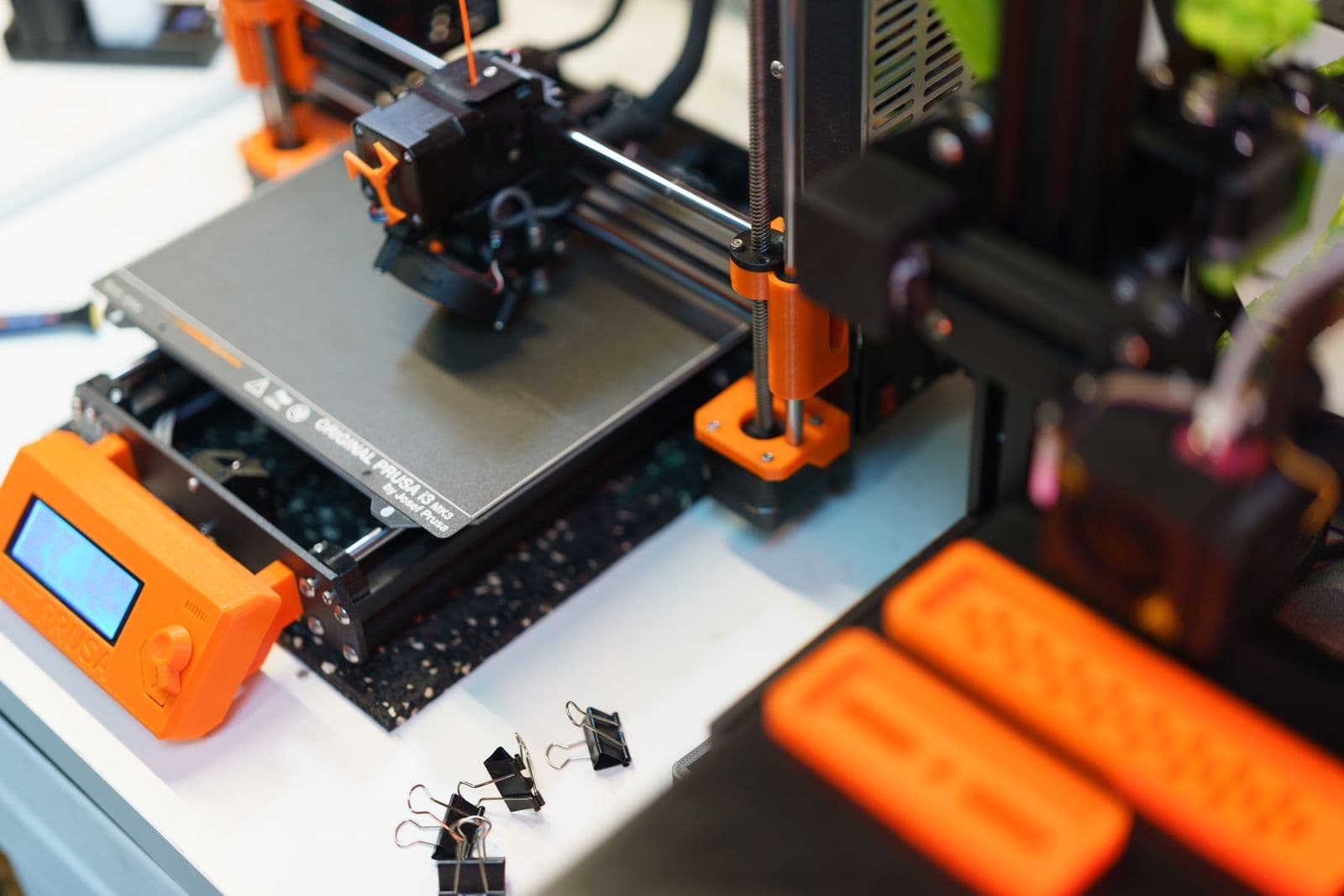
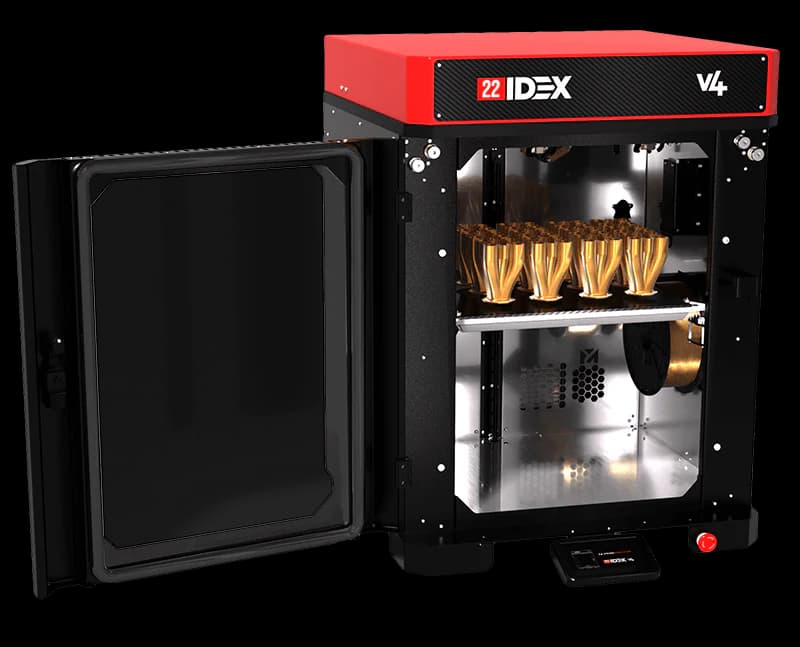
Printers like the Bambu Lab H2C and the H2D AMS Combo live here — larger build volume, multi-material out of the box, built for people who already print often or sell parts. The Prusa MK4 sits just below this tier for anyone who prioritizes an open-source European brand's reliability.
What actually drives the price
- Enclosed vs. open frame: enclosed costs more but prints technical materials (ABS, ASA, nylon) better and runs quieter.
- Automatic color switching (AMS/multi-material): adds noticeably to the price, but changes what kind of part you can make.
- Speed: modern CoreXY printers (300–600mm/s) cost more than classic cartesian ones (50–100mm/s), but cut print time dramatically.
- Brand and community: Bambu Lab and Creality both have huge communities and support — worth real money in peace of mind when something goes wrong.
Don't forget the cost behind the printer
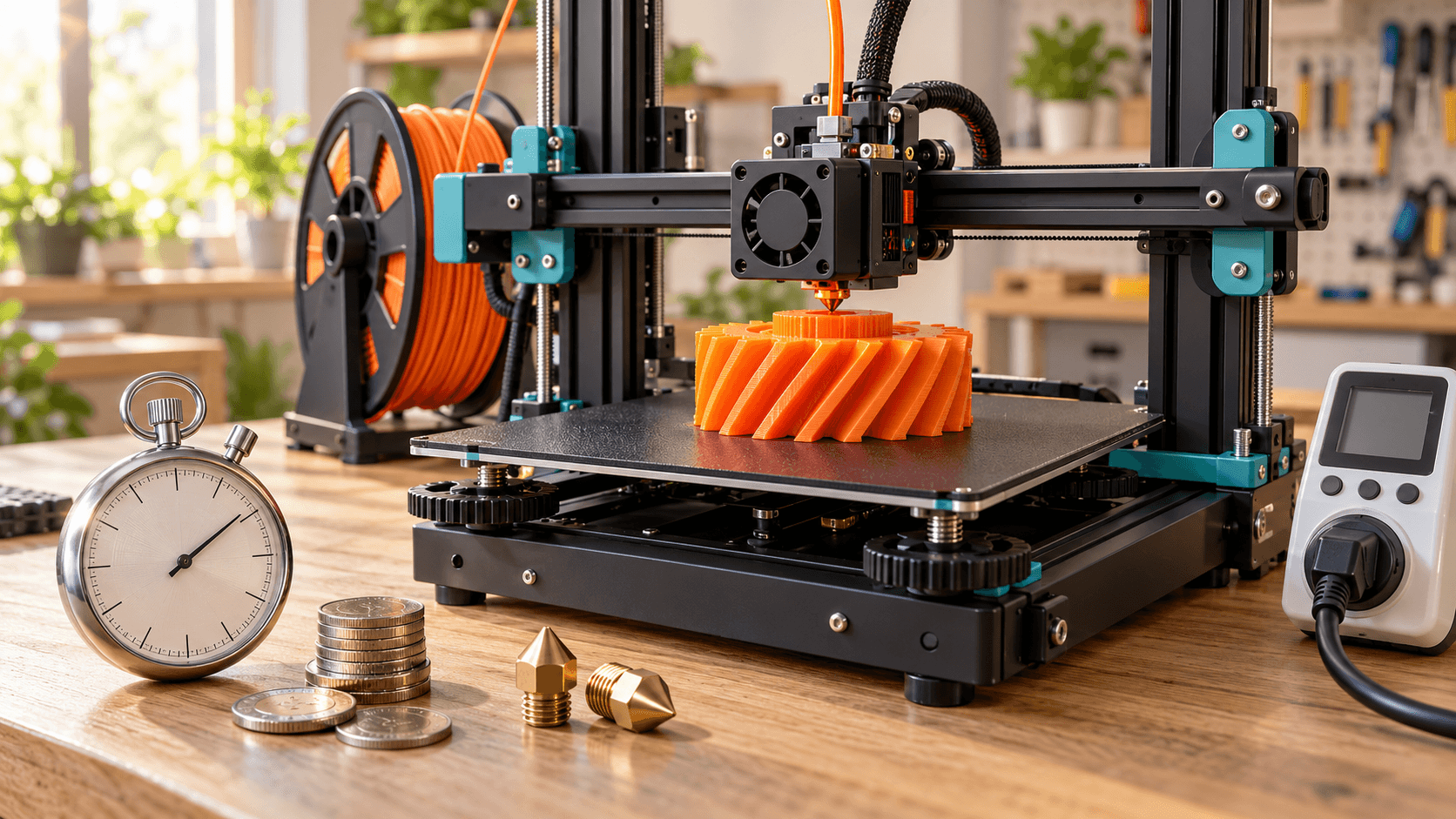
The machine price is just the start. Filament, electricity, part wear and maintenance all add up — if you want to know exactly what each printed part costs, try our FDM cost calculator.
Not sure which tier fits you? Take our which-printer quiz for a personalized recommendation.
We participate in the Amazon and AliExpress affiliate programs and earn from qualifying purchases made through the links above.